What to Do if a Child Knocks Out or Chips a Tooth
If a child knocks out or chips a tooth, first control bleeding, check whether the tooth is baby or permanent, and contact a dentist right away for instructions. A knocked-out permanent tooth is an emergency because quick, careful handling may improve the chance of saving it, while a knocked-out baby tooth usually should not be put back in the socket.
First-minutes guide for parents
- Stay calm and check for breathing, head injury, heavy bleeding, or jaw injury first.
- For a knocked-out permanent tooth, hold it by the crown, keep it moist, and get urgent dental care.
- Do not scrub the root, wrap the tooth in tissue, or let it dry out.
- Do not reinsert a baby tooth unless a dentist specifically tells you to.
- For chips, save fragments, rinse the mouth, use a cold compress, and schedule dental evaluation.
First, decide what type of injury you are seeing
A chipped tooth means part of the tooth is broken but some tooth remains in place. A knocked-out tooth, also called an avulsed tooth, means the whole tooth came out of the socket. A displaced tooth may be pushed sideways, inward, outward, or deeper into the gum. Each situation needs different advice, so describe what you see clearly when you call.
Look for signs that medical care comes before dental care: loss of consciousness, vomiting after a blow to the head, trouble breathing, suspected broken jaw, uncontrolled bleeding, severe facial swelling, or a cut that may need stitches. If any of those are present, seek emergency medical care.
If the injury is limited to the mouth, call the child's dentist, an emergency dental office, or an urgent dental service. The ADA's dental emergency guidance recommends giving the dental office as much detail as possible and getting care promptly.
If a permanent tooth is knocked out
A permanent front tooth can be knocked out during sports, falls, playground injuries, or accidents. The American Academy of Pediatrics' HealthyChildren guidance explains that a permanent tooth has the best chance of being saved when action is fast. Use these steps while arranging urgent care.
1. Find the tooth and pick it up by the crown, which is the white chewing part. Do not touch the root.
2. If the tooth is dirty, gently rinse it briefly with milk or saliva. Do not scrub, scrape, use soap, use alcohol, or remove tissue from the root.
3. If your child is old enough, calm, and able to cooperate, you may be told to place the tooth back in the socket. Never force it. Have the child bite gently on gauze or a clean cloth to hold it.
4. If you cannot reinsert it, keep it moist in milk, saliva, or an ADA-accepted tooth preservation product if available. Do not store it dry and do not keep it in plain water for a long period.
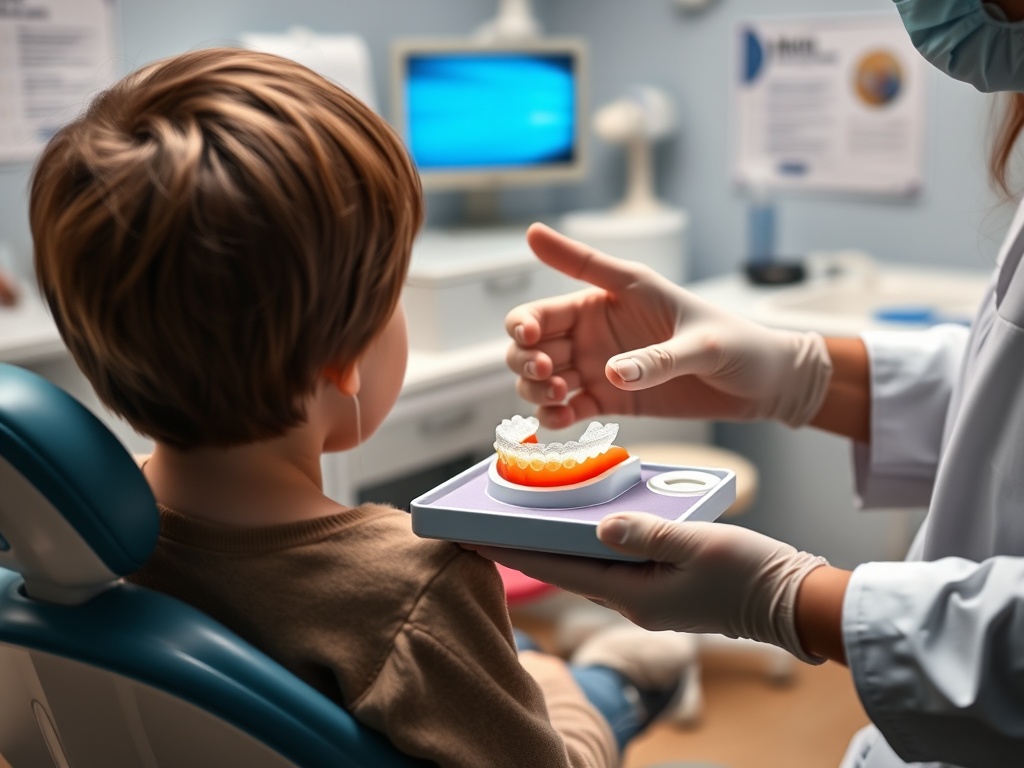
5. Go to the dentist or emergency department immediately, following the instructions you receive by phone.
If a baby tooth is knocked out
Baby teeth are different because an adult tooth may be developing underneath. Replanting a baby tooth can damage the permanent tooth bud. MedlinePlus notes that baby teeth are not replanted if they are knocked out. Still, the child should be checked because a dentist needs to confirm whether the whole tooth came out, whether pieces remain, and whether the gum, lip, or neighboring teeth were injured.
If you are not sure whether the tooth is baby or permanent, call the dentist and describe the child's age, tooth location, and appearance. When in doubt, keep the tooth moist and let a dental professional decide.
If the tooth is chipped, cracked, or sensitive
Rinse the child's mouth gently with warm water. Apply a cold compress to the cheek or lip if there is swelling. Save any tooth fragments in a small container and bring them to the appointment. Avoid hard foods, sticky candy, and chewing on the injured side.
A tiny enamel chip may be smoothed or repaired at a routine visit, but pain, bleeding from inside the tooth, darkening, swelling, or sensitivity to temperature should be evaluated quickly. A dentist may take an X-ray, test the tooth, place bonding, smooth a sharp edge, protect exposed dentin, or refer to a pediatric dentist or endodontist.
Dentist, urgent dentist, or ER?
| Situation | Best next step | Why it matters |
|---|---|---|
| Knocked-out permanent tooth | Emergency dentist or ER immediately | The tooth must stay moist and be assessed quickly |
| Knocked-out baby tooth | Call a dentist promptly | It should usually not be replanted, but the injury still needs review |
| Small chip with no pain | Dental appointment soon | The edge may need smoothing or bonding |
| Large chip, tooth pain, or exposed red/pink center | Urgent dental visit | The nerve may be involved |
| Jaw injury, heavy bleeding, facial swelling, or head symptoms | Emergency medical care | Overall safety comes first |
Parents who freeze in stressful moments often do better with a checklist. Keep the guide to packing for an emergency dental visit saved with your dentist's after-hours number. If a child is terrified of follow-up care, the article on helping patients with severe dental anxiety without sedation can help you plan a calmer return visit.
If the injury happened during organized sports, ask about a custom mouthguard before play resumes. Over-the-counter guards can help in some situations, but fit and compliance matter, especially for children with mixed baby and permanent teeth.
After the crisis, plan the follow-up
Dental trauma can change over time. A tooth that looks stable today may become discolored, sensitive, infected, or loose later. Keep follow-up appointments, watch for swelling or a pimple-like bump on the gum, and ask when sports mouthguards should be used again. For households caring for older relatives too, our denture-care article on cleaning dentures so they last longer shows how oral first-aid habits and daily appliance care both benefit from preparation.
The best next step after any significant chip, displacement, or knocked-out tooth is to call a dental professional, describe exactly what happened, and follow instructions without delay.
Questions About if Child Knocks Out Chips Tooth
For if Child Knocks Out Chips Tooth, this part of Questions About if Child Knocks Out Chips Tooth focuses on the symptom history, previous treatment, current medicines, and the result the patient values most while recovery expectations are clarified, with the same details verified while the options are being narrowed. The clinician should also explain which examination finding supports each recommendation and what information could change it for if Child Knocks Out Chips Tooth after the examination is explained, using the examination and health history rather than a general assumption. Recording that explanation gives the patient a clearer next step for if Child Knocks Out Chips Tooth while recovery expectations are clarified, especially when follow-up duties are reviewed while the options are being narrowed.
Mistakes to Avoid With if Child Knocks Out Chips Tooth
For if Child Knocks Out Chips Tooth, this part of Mistakes to Avoid With if Child Knocks Out Chips Tooth focuses on harsh home remedies, repeated temporary fixes, and delays that hide progression when the diagnosis is confirmed, with the same details verified while the options are being narrowed. The clinician should also explain which action could worsen pain, swelling, bleeding, fit, or tissue damage for if Child Knocks Out Chips Tooth before the final recommendation is accepted, using the examination and health history rather than a general assumption. Recording that explanation gives the patient a clearer next step for if Child Knocks Out Chips Tooth when the diagnosis is confirmed, especially when follow-up duties are reviewed while the options are being narrowed.
Cost Planning for if Child Knocks Out Chips Tooth
An itemized estimate for What to Do if a Child Knocks Out or Chips a Tooth should separate diagnosis, preparation, the main procedure, temporary care, laboratory work, and follow-up. For What to Do if a Child Knocks Out or Chips a Tooth, confirm what is included, what could be added after new findings, and which payments are due at each stage while comfort and function are assessed.