Smart Toothbrushes, Apps, and Connected Oral Care: Helpful or Hype?
Smart toothbrushes and oral-care apps can be helpful if they make you brush longer, use less pressure, and cover missed areas more consistently. They become hype when the app, subscription, or premium features distract from the basics: soft bristles, fluoride toothpaste, cleaning between teeth, gentle technique, and regular dental care.
Connected-care reality check
- A timer and pressure sensor are usually more useful than a flashy dashboard.
- App tracking helps some people build habits, but it does not diagnose cavities or gum disease.
- Powered brushing can reduce plaque and gingivitis modestly in research, but technique still matters.
- Replacement heads, battery life, privacy settings, and cost should be part of the decision.
- Bleeding, swelling, tooth pain, or gum recession needs a dental evaluation, not just better data.
What smart toothbrushes actually add
A basic toothbrush removes plaque only when it is used well. Smart and connected brushes try to improve the human part of brushing. Common features include two-minute timers, quadrant pacing, pressure alerts, brushing maps, reminders, coaching prompts, and app-based streaks.
The ADA's toothbrush guidance says both manual and powered toothbrushes can be effective and recommends soft bristles, brushing twice a day for two minutes, and replacing toothbrushes or heads every three to four months or sooner if frayed. That means a smart brush is not automatically superior; it is superior only if it improves your real behavior.
A Cochrane review of powered versus manual toothbrushes with evidence current to January 2014 found that powered brushes reduced plaque by 11 percent at one to three months and 21 percent after three months compared with manual brushing, with moderate-quality evidence for plaque and gingivitis outcomes. Those numbers support a modest benefit, not a promise that any expensive device will fix poor technique.
Helpful feature or hype?
| Feature | Helpful when | Hype when |
|---|---|---|
| Two-minute timer | You rush or lose track of time | You already brush thoroughly and ignore alerts |
| Pressure sensor | You scrub hard or have recession | It is too subtle or you keep overriding it |
| Quadrant pacing | You miss the same areas repeatedly | It interrupts without improving coverage |
| App map | You like feedback and habit tracking | It feels like homework and reduces consistency |
| Subscription heads | Replacement is convenient and affordable | The cost makes you delay changing worn bristles |
| AI coaching | It gives simple, usable prompts | It claims more precision than your dentist can verify |
Who May Benefit From Smart Toothbrushes Apps Connected Oral Care
For supporting context on Smart Toothbrushes, Apps, and Connected Oral Care: Helpful or Hype, review what to do if a child knocks out or chips a tooth. Then compare the linked guidance with the examination findings for Smart Toothbrushes, Apps, and Connected Oral Care: Helpful or Hype while recovery expectations are clarified, and ask which details do not apply to the current case.
People managing gum disease may need more than a smart brush. Cleaning between teeth, choosing the right interdental size, and following periodontal maintenance instructions are often just as important. A home-care tool comparison can help clarify the differences among floss, interdental brushes, picks, and water flossers.
If your interest is mostly cosmetic, be cautious. A connected brush may help reduce surface plaque and encourage consistency, but it cannot change tooth shape, intrinsic color, enamel defects, or old restorations. For cosmetic planning, see how long a veneer case takes before expecting an app to predict treatment timing.
Privacy, cost, and replacement checks
Before buying, ask four practical questions. Can you use the brush without the app? Can you delete or limit stored data? Are replacement heads easy to find? Does the brush still work if the subscription ends? A cheaper brush with a timer and pressure sensor may be more useful than a premium brush whose app you stop opening after a week.
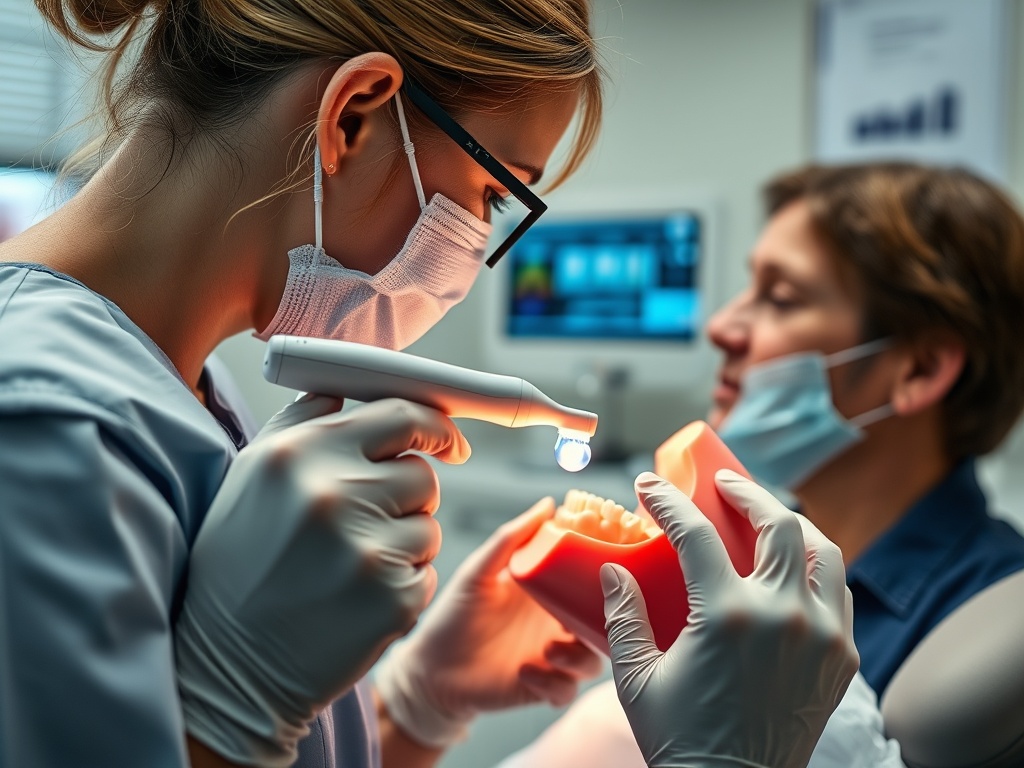
Also consider the patient's tolerance. Some people dislike vibration, large brush heads, or app reminders. Others brush better when the device gives immediate feedback. The best tool is the one that makes the healthy habit easier without causing gum trauma or frustration.
Technique still beats data
Even a sophisticated brush cannot help if it is used like a scrub brush. Let powered bristles do the work, move slowly along the gumline, and avoid pressing until the head stalls or the sensor flashes. If you use a manual brush, small gentle strokes are usually safer than wide back-and-forth motions. Ask your hygienist to show the exact angle for areas where plaque remains.
Planning Notes for Smart Toothbrushes Apps Connected Oral Care
Book a dental visit if gums bleed regularly, teeth feel loose, recession is worsening, sensitivity is localized, a crown or filling feels rough, or pain wakes you up. Seek urgent care for swelling, fever, trauma, uncontrolled bleeding, or trouble swallowing. No app can rule out decay, periodontal pockets, cracked teeth, or infection.
If a product claim sounds too broad, bring it to your dentist or hygienist. Ask which feature matches your main problem: time, pressure, missed areas, dexterity, motivation, or interdental cleaning. Skip features that do not solve that problem.
Be especially skeptical of apps that claim to detect disease from brushing alone. A brush can record movement, time, and pressure; it cannot measure pocket depths, X-ray findings, enamel cracks, or decay under a filling.
Before buying, price a full year of replacement heads and check whether multiple family members need separate profiles. A device that is affordable on day one can become impractical if maintenance costs make you stretch worn bristles too long. Also check head size, handle grip, and charger space, especially in shared bathrooms or for users with limited hand strength. If a dental visit later leads to treatment and coverage questions, keep records the same way you would for a denied dental insurance claim.
Choose features that fix your real brushing habit
A smart toothbrush can be a useful coach, but it is not a dentist, hygienist, X-ray, or periodontal probe. Buy for the behavior you need to improve, not for the most dramatic app screen. The next step is to ask your dental team where plaque or gum irritation appears in your mouth, then choose the simplest device that helps you correct that pattern.
Questions About Smart Toothbrushes Apps Connected Oral Care
For Smart Toothbrushes Apps Connected Oral Care, this part of Questions About Smart Toothbrushes Apps Connected Oral Care focuses on the symptom history, previous treatment, current medicines, and the result the patient values most before consent is finalized, with the same details verified before treatment is scheduled. The clinician should also explain which examination finding supports each recommendation and what information could change it for Smart Toothbrushes Apps Connected Oral Care before treatment is scheduled, using the examination and health history rather than a general assumption. Recording that explanation gives the patient a clearer next step for Smart Toothbrushes Apps Connected Oral Care before consent is finalized, especially when follow-up duties are reviewed before treatment is scheduled.
Mistakes to Avoid With Smart Toothbrushes Apps Connected Oral Care
Avoid heat, harsh chemicals, sharp tools, or medication beyond label directions when trying to manage Smart Toothbrushes, Apps, and Connected Oral Care: Helpful or Hype at home. If Smart Toothbrushes, Apps, and Connected Oral Care: Helpful or Hype becomes more painful, swollen, unstable, or difficult to clean, stop experimenting and request professional guidance as the long-term result is reviewed. Common mistakes involving Smart Toothbrushes, Apps, and Connected Oral Care: Helpful or Hype include aggressive home fixes, unverified products, and delays that allow symptoms or fit problems to worsen.
Next Steps for Smart Toothbrushes Apps Connected Oral Care
For Smart Toothbrushes Apps Connected Oral Care, this part of Next Steps for Smart Toothbrushes Apps Connected Oral Care focuses on one clear action, a follow-up date, and reasons to contact the office sooner when the follow-up plan is written, with the same details verified before treatment is scheduled. The clinician should also explain what can be decided now and what depends on further evidence for Smart Toothbrushes Apps Connected Oral Care as the long-term result is reviewed, using the examination and health history rather than a general assumption.