How Dentists Help Patients With Severe Dental Anxiety Without Sedation
Dentists can help patients with severe dental anxiety without sedation by making care more predictable, giving the patient control signals, pacing the visit, checking numbness carefully, reducing sensory triggers, and separating planning from treatment when needed. These strategies do not erase anxiety, but they can make a dental visit more manageable and safer for patients who want to avoid or postpone sedatives.
Non-sedation support options
- Tell the office about anxiety before the appointment, not after you arrive.
- Agree on a stop signal and how breaks will work.
- Ask for step-by-step explanations or, if preferred, less narration.
- Use headphones, breathing techniques, weighted comfort items, or a support person when allowed.
- Break complex treatment into smaller visits when clinically reasonable.
What severe dental anxiety can feel like
Dental anxiety can involve fear of pain, needles, gagging, judgment, loss of control, sounds, smells, cost, or bad news. Some people attend appointments but feel panicked throughout. Others cancel repeatedly until pain or swelling forces urgent care.
The ADA's anxiety guidance recommends speaking up, asking questions, agreeing on a hand signal, and using distraction or mindfulness techniques. Research priorities from NIDCR also recognize that dental fear can contribute to avoidance and poorer oral health. A dentist cannot diagnose an anxiety disorder from a single dental visit, but a dental team can adjust the care environment.
Severe anxiety deserves a plan, not a lecture. A patient who feels ashamed may need a no-blame consultation before any instruments are used.
Chairside tools that do not require sedation
A stop signal is one of the simplest tools. The patient raises a hand, and the dentist stops at the next safe moment. This gives the patient a way to communicate while instruments are in the mouth.
Tell-show-do can also help adults, not just children. The dentist explains what will happen, shows the instrument away from the mouth, then proceeds only after consent. Some patients prefer a countdown before sensations such as water spray or pressure. Others prefer music and fewer details. The key is asking which style reduces fear.
Numbing checks matter. A patient who has had a painful past experience may need extra time for local anesthetic to work, more frequent testing, or a clear agreement that treatment pauses if sharp pain appears. Pain control and anxiety control are connected.
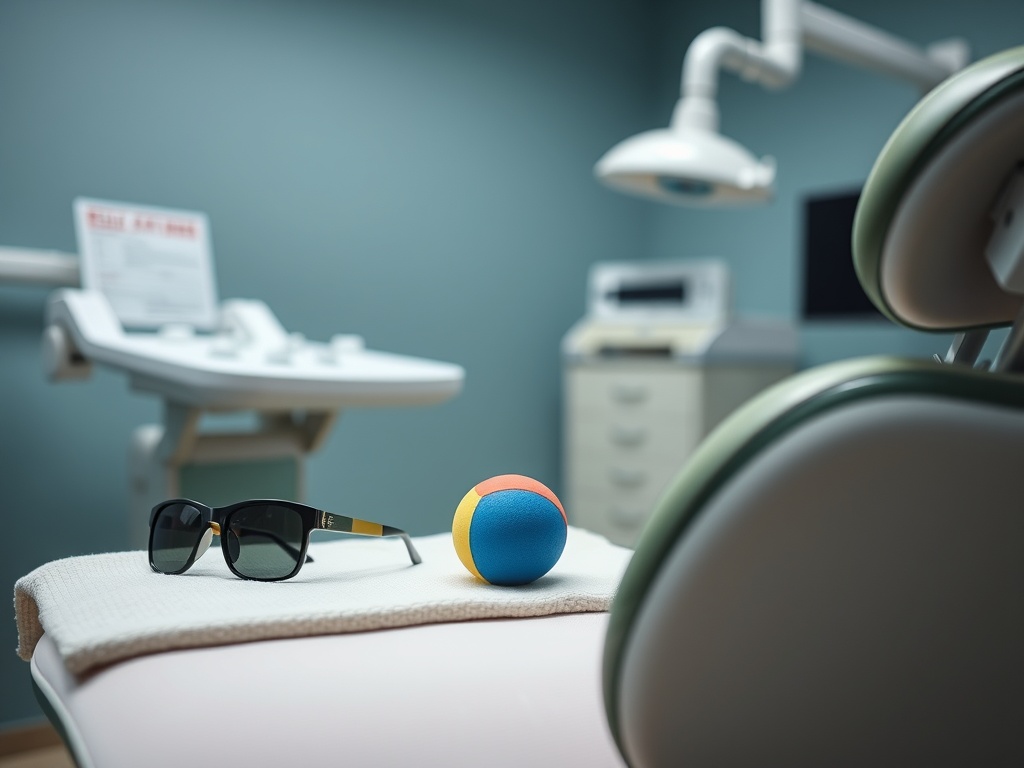
Sensory adjustments can include headphones, sunglasses, a neck pillow, unscented products when possible, a bite block to reduce jaw fatigue, high-volume suction for water control, or breaks to sit upright. For gagging, a dentist may adjust mirror position, use suction differently, scan instead of taking traditional impressions when appropriate, or schedule shorter visits.
How a visit may be staged
1. Planning call. The patient tells the office about anxiety triggers, medical history, and what has helped or failed before.
2. Consultation-only visit. The dentist reviews goals, takes a limited look if tolerated, and discusses options without starting treatment.
3. Records visit. X-rays, photos, or scans are taken with breaks. The team explains what is urgent and what can wait.
4. Small first procedure. If treatment is needed, the team may begin with the shortest reasonable appointment to build trust.
5. Review and adjust. After the visit, the patient and team discuss what worked, then update the comfort plan.
This approach is especially useful after trauma. A child or adult who needs follow-up after an injury may benefit from planning tools described in what to do if a child knocks out or chips a tooth, even if the anxious patient is not a child.
How to choose a supportive office
When booking, ask how the office supports anxious patients without sedation. Listen for concrete answers: longer consultation slots, stop signals, breaks, explanations, topical anesthetic options, and permission to bring headphones. Vague reassurance is less useful than a repeatable process. If the first call feels dismissive, it is reasonable to seek another office for non-urgent care.
Patients with panic attacks, trauma histories, autism, sensory sensitivities, or medical conditions should share only what they are comfortable sharing, but enough for the team to plan safely. A short written note can be easier than explaining everything aloud in the waiting room.
Planning Notes for Dentists Help Patients Severe Dental Anxiety Without Sedation
Non-sedation strategies are not a test of willpower. If a patient cannot tolerate urgent care, has complex surgery, has a strong gag reflex that prevents safe treatment, or has panic symptoms that make care unsafe, the dentist may discuss nitrous oxide, oral medication, IV sedation, or a referral. Avoiding sedation can be a preference, but safety comes first.
Seek urgent dental care despite anxiety if swelling spreads, fever develops, pain is severe, bleeding will not stop, a tooth is knocked out, or you have trouble swallowing or breathing. Prepare a bag using what to pack for an emergency dental visit so fear does not cause you to forget medications, allergies, or records.
Cost and trust concerns are part of anxiety too
Some patients fear being pressured into treatment they cannot afford. Ask the office to separate diagnosis, options, and costs in writing. Request priorities: what is urgent, what is preventive, and what is elective. If insurance creates confusion, the article on dental insurance claim denials can help you keep documentation and questions organized.
It is reasonable to ask for a second opinion for major treatment, but do not use repeated opinions to postpone infection, swelling, or worsening pain. A trustworthy dentist should explain the consequences of waiting without shaming you. For many anxious patients, trust improves when the first visit is limited to records, conversation, and a small goal rather than a full procedure.
Build a written comfort plan before the chair reclines
The best non-sedation anxiety support is specific. Write down triggers, preferred explanations, stop signals, music or headphone needs, break timing, and what the dentist should do if you become overwhelmed. Bring that plan to the appointment and update it afterward. The next step is not to force yourself through care; it is to ask for a dental team that will plan care with you.
Questions About Dentists Help Patients Severe Dental Anxiety Without Sedation
For Dentists Help Patients Severe Dental Anxiety Without Sedation, this part of Questions About Dentists Help Patients Severe Dental Anxiety Without Sedation focuses on the symptom history, previous treatment, current medicines, and the result the patient values most before treatment is scheduled, with the same details verified before treatment is scheduled. The clinician should also explain which examination finding supports each recommendation and what information could change it for Dentists Help Patients Severe Dental Anxiety Without Sedation when a second opinion is considered, using the examination and health history rather than a general assumption.
Home Care and Follow-Up for How Dentists Help Patients With Severe Dental Anxiety Without Sedation
For Dentists Help Patients Severe Dental Anxiety Without Sedation, this part of Home Care and Follow-Up for How Dentists Help Patients With focuses on safe cleaning tools, foods, products, and daily techniques when maintenance is discussed, with the same details verified before treatment is scheduled. The clinician should also explain which changes are expected and which should prompt an earlier call for Dentists Help Patients Severe Dental Anxiety Without Sedation during the initial review, using the examination and health history rather than a general assumption.