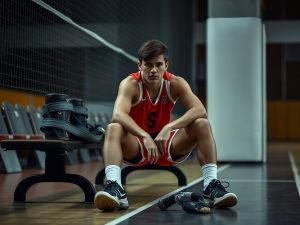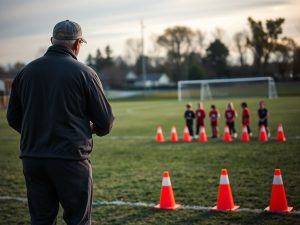
Supporting daughters in sports means protecting enjoyment, confidence, safety, and choice while helping them handle competition at a healthy pace.
TL;DR: Supporting daughters in sports means protecting enjoyment, confidence, safety, and choice while helping them handle competition at a healthy pace.
Confidence Comes From More Than Praise
Parents and coaches often want girls to feel confident, but confidence is not built only by saying encouraging words. It grows when athletes feel competent, included, safe, and allowed to improve without being judged for every mistake.
The American Academy of Pediatrics organized sports report encourages youth sports environments that fit developmental needs and include young athletes across skill levels. That principle is especially useful for families trying to keep daughters engaged through changing social pressures.
A daughter who keeps playing is not necessarily the one who wins most. She is often the one who feels she belongs, sees progress, and has adults who separate her identity from the scoreboard.
What to Watch at Each Stage
At early ages, look for fun, movement variety, and kind coaching. In middle years, look for skill development, friendships, and balanced competition. In teen years, look for autonomy, realistic goals, health awareness, and a coach who communicates clearly.
Ask your daughter what she enjoys, what makes her nervous, and what she wants to improve. The answers may change during the season. Listening does not mean removing every challenge; it means understanding which challenges build confidence and which ones create avoidable pressure.
Families choosing a first activity can use a sport-selection framework to compare cost, culture, personality fit, and time before committing to a program.
| Stage | Helpful Adult Focus | Risk to Avoid |
|---|---|---|
| New participant | Fun, basic skills, belonging | Too much correction |
| Developing player | Practice habits, friendships, resilience | Comparing to teammates |
| Competitive teen | Autonomy, recovery, goal clarity | Burnout and overuse pressure |
| Returning athlete | Confidence rebuilding, patience | Rushing progress |
Sideline Language Matters
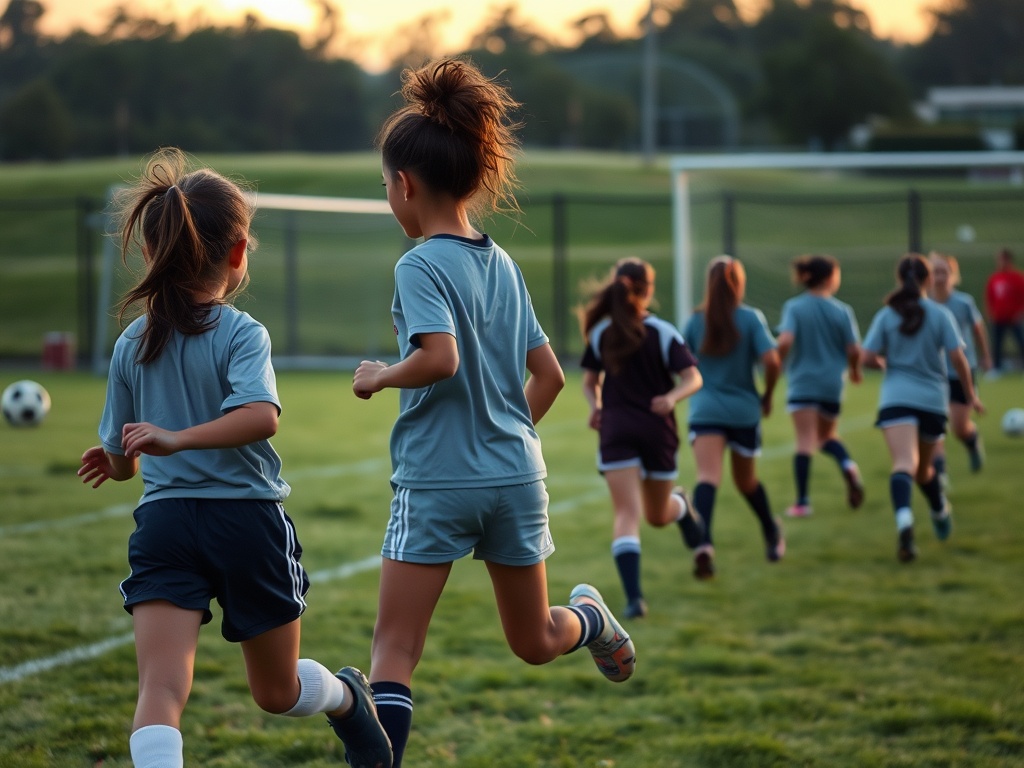
After games, lead with curiosity before advice. Try, 'What felt better today?' or 'What did you learn?' before breaking down mistakes. If every car ride becomes a performance review, the sport can start to feel like a test.
Praise controllable actions: effort, preparation, communication, courage, and sportsmanship. Be careful with appearance comments, body comparisons, or statements that imply toughness means hiding pain.
Coaches can also make a difference. A well-run practice, like the structure described for volunteer coaches with limited time, gives athletes more touches and fewer confusing lectures.
Pitfalls That Quietly Push Girls Away
One pitfall is early specialization without checking whether the athlete still enjoys the sport. The AAP has warned about intensive training and specialization concerns in young athletes, including overuse and burnout risks.
Families can review AAP sports specialization guidance when deciding whether year-round single-sport pressure is appropriate.
Another pitfall is treating confidence as a fixed trait. A confident athlete can still feel nervous before tryouts, make mistakes, or need reassurance after a hard game. Confidence should be rebuilt through preparation and support.
Keep the Door Open
Let daughters try roles beyond star player: captain, reliable teammate, official, assistant coach, trainer, or recreational adult athlete. A broad view of sports helps participation survive when elite pathways narrow.
The strongest support is steady and respectful: show up, listen, ask better questions, and help her choose environments where effort and joy can exist together.
Helping Without Taking Over
Support becomes counterproductive when adults take ownership of every goal, conflict, and decision. Daughters need help with logistics and perspective, but they also need space to speak with coaches, manage nerves, and decide how much they want to commit.
A helpful parent might ask, 'Do you want advice, encouragement, or just someone to listen?' That question respects the athlete's voice. It also prevents every frustration from becoming an adult-led intervention.
Coaches can support autonomy by explaining why drills matter, giving athletes leadership roles, and inviting questions without making players feel difficult for asking.
Confidence After Setbacks
Setbacks are part of participation: being benched, missing a shot, not making a team, or returning from injury. The adult response should separate the disappointment from the athlete's worth.
Use a recovery conversation: what happened, what can be learned, what support is needed, and what is the next controllable step? This keeps the athlete from turning one event into a permanent label.
Confidence grows when girls see that mistakes are information, not identity. That lesson can keep them connected to sports long after a single season ends.
Working With Coaches Constructively
Parents should not use every concern as a confrontation. Start with questions: what should my daughter focus on, how can she earn more responsibility, and what can she practice at home? These questions invite coaching rather than creating a sideline dispute.
If a concern involves safety, bullying, discrimination, or repeated humiliation, address it directly and document the pattern. Confidence cannot grow in an environment where an athlete feels unsafe or targeted.
When the issue is playing time or role clarity, help your daughter prepare a respectful conversation with the coach. She can ask what specific behaviors or skills would help her contribute more. That builds self-advocacy.
The goal is partnership. Parents, coaches, and athletes do not need to agree on everything, but they should share a commitment to development, health, and respect.
Making Sports Feel Like Theirs
The long-term goal is for daughters to feel that sport belongs to them, not only to parents, coaches, or school teams. Let them choose some goals, some gear preferences within reason, and some definitions of success.
When athletes feel ownership, they are more likely to keep participating through hard seasons. They may change sports, reduce intensity, or return later as adults, but the relationship with movement stays positive.
Respect Different Competitive Goals
Some daughters want elite competition. Others want friendships, fitness, or a place to belong. Adults should not treat one path as more valid than the other. A healthy sport experience matches the athlete's goals while still teaching commitment and resilience.
A Simple Weekly Family Check-In
Once a week, ask three questions: what was fun, what felt hard, and what support would help next week? Keep the conversation short and do not turn every answer into advice. The habit gives daughters a regular place to reflect without making sport feel like a constant evaluation.
Keep Participation Flexible
If interest changes, treat it as information rather than failure. Trying another role, another team, or another level of intensity can keep the athlete connected to sport while respecting her changing needs.