Choose a first sport by matching your goal, budget, schedule, and personality rather than chasing what looks exciting from the outside.
TL;DR: Choose a first sport by matching your goal, budget, schedule, and personality rather than chasing what looks exciting from the outside.
What This Choice Really Means
Picking your first sport is not about finding the one perfect activity for the rest of your life. It is about choosing a starting point that fits your goals, schedule, budget, body type, learning style, and social preferences well enough that you will keep showing up.
A beginner who wants steady fitness, new friends, and low injury anxiety should make a different choice than someone chasing competition or a high-skill challenge. For a skill-heavy path, it may help to read how practice skills transfer into real match performance before committing to private lessons or expensive gear.
The most useful question is not, 'Which sport is best?' It is, 'Which sport gives me the right mix of enjoyment, access, progress, and realistic commitment for the next three months?' That frame keeps the decision practical rather than emotional.
Start With the Goal, Not the Highlight Reel
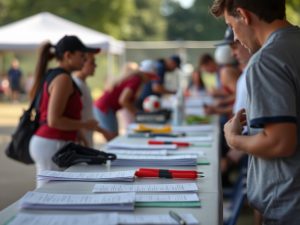
For general health, the CDC physical activity recommendations support regular aerobic and muscle-strengthening activity, so many sports can work if they keep you moving consistently. For social confidence, rec leagues, pickleball, softball, running clubs, climbing gyms, and martial arts classes may offer easier entry points than sports with strict tryout cultures.
If your main goal is fitness, prioritize frequency and low friction. If your goal is competition, prioritize coaching access and clear progression. If your goal is stress relief, prioritize the environment: friendly groups, flexible schedules, and a coach or organizer who treats beginners with patience.
A useful beginner filter is to rank each sport from 1 to 5 across enjoyment, cost, nearby access, physical comfort, coaching availability, and long-term interest. The sport with the highest total is not automatically the winner, but it will reveal which trade-offs you are making.
Budget, Time, and Gear: The Practical Comparison
Costs vary widely. Running, basketball at a public court, recreational soccer, and basic strength training can start with modest gear. Ice hockey, golf, travel baseball, equestrian sports, and some club volleyball programs can become expensive once equipment, coaching, travel, and facility fees are included.
The Aspen Institute Project Play has documented how cost and access shape youth sports participation, but the same lesson applies to adults: a sport you cannot afford consistently is not a sustainable first sport.
Time is the hidden cost. A 90-minute class may also include 30 minutes of travel, changing, parking, and recovery. Beginners should choose a sport that fits normal weeks, not only ideal weeks. If you have two evenings available, a twice-a-week sport is safer than one requiring four sessions plus weekend events.
| Sport Type | Best Fit | Main Watchout |
|---|---|---|
| Low-cost fitness sports | Running groups, basketball, public-court tennis | Progress depends on self-direction |
| Skill-based coached sports | Martial arts, swimming, golf clinics | Coaching fees can add up |
| Team social sports | Soccer, softball, volleyball, rec leagues | Schedules depend on the group |
| High-equipment sports | Hockey, cycling, skiing | Gear and maintenance can be expensive |
Match the Sport to Your Personality
Introverted beginners often do well in sports where they can learn privately before joining a group, such as swimming, running, climbing, archery, or martial arts. Social beginners may prefer rec leagues because the commitment is shared and friendships build naturally.
Analytical personalities often enjoy sports with measurable feedback, such as golf, tennis, cycling, bowling, rowing, or esports. High-energy personalities may enjoy basketball, soccer, squash, boxing fitness, or ultimate frisbee because the game keeps changing and rewards quick reactions.
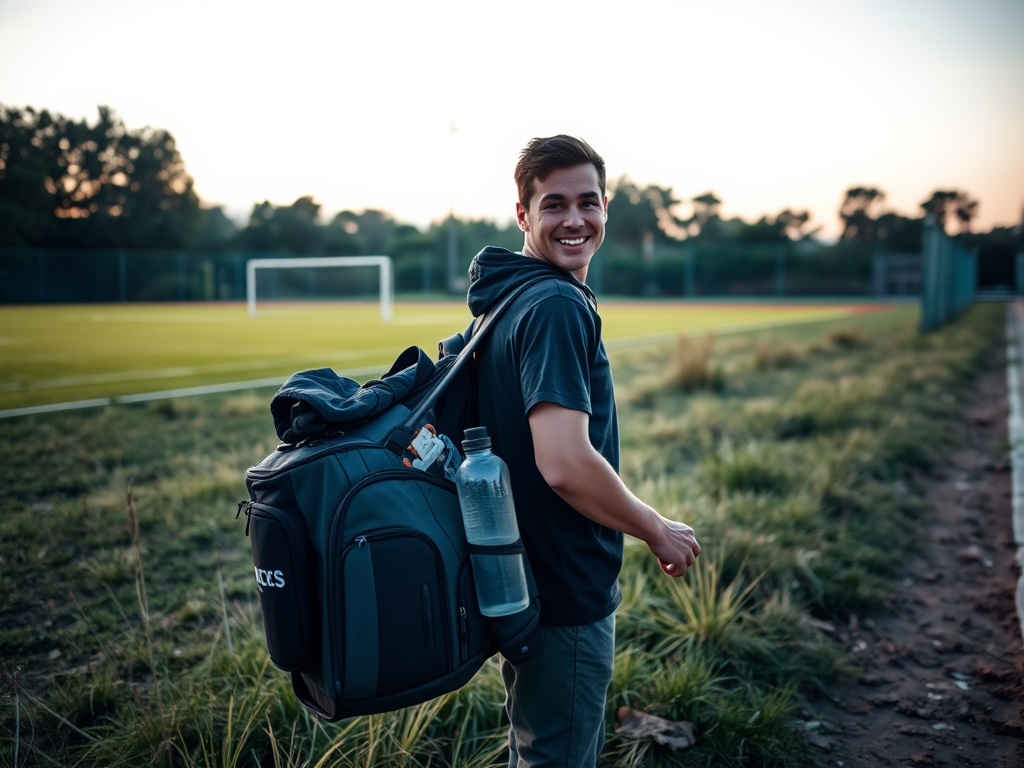
Do not ignore game-day logistics. Before your first session, a simple game-day bag checklist can prevent avoidable frustration, especially when a new sport requires shoes, water, tape, layers, or small safety items.
Beginner Misunderstandings That Lead to Bad Starts
One common mistake is copying a friend without checking whether their schedule, fitness base, and budget match yours. Another is choosing a sport because it looks exciting on television. Broadcast sports usually show elite speed, spacing, and decision-making, not the slow learning curve that beginners experience.
A second misunderstanding is assuming soreness means progress. Some discomfort is normal when you use new movement patterns, but sharp pain, repeated joint irritation, dizziness, or pressure to play through injury are warning signs. Good programs allow gradual ramp-up and rest.
A third mistake is buying premium gear before you know your needs. Start with safe, appropriate basics. Upgrade only after you understand the demands of the sport and the features that solve real problems.
A Three-Session Test Before You Commit
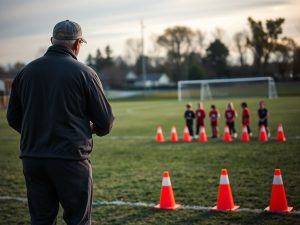
Try one observation session, one beginner session, and one follow-up session. During observation, notice the age mix, coaching tone, safety habits, and whether newcomers are welcomed. In the first session, judge how your body feels and whether the instructions make sense. In the follow-up, ask whether you are curious enough to return.
After those three touchpoints, choose one of three paths: join for a short season, keep testing other sports, or take a skills class before joining games. That prevents a rushed decision while still giving you momentum.
The best first sport is the one you can practice safely, afford regularly, enjoy socially, and improve in without feeling trapped. Start small, learn the culture, and let your next choice become clearer through experience.
How to Decide After the First Month
After four weeks, judge the sport by evidence rather than first-week excitement. Ask whether attendance felt realistic, whether your body adapted safely, whether the coaching or group culture felt respectful, and whether you were curious enough to practice between sessions.
Do not confuse slow progress with a bad choice. Many sports feel awkward at first because timing, rules, and movement patterns are unfamiliar. A better warning sign is dread: if you consistently avoid sessions, dislike the environment, or feel pressured to spend beyond your budget, the fit may be wrong.
A sensible first-month decision has three options. Continue for one short season, switch to a related sport with lower friction, or pause and build fitness before trying again. Each option is valid if it keeps you active and learning.