A game-day bag should cover hydration, safety, comfort, weather, sport-specific gear, and small fixes that prevent avoidable stress.
TL;DR: A game-day bag should cover hydration, safety, comfort, weather, sport-specific gear, and small fixes that prevent avoidable stress.
Who Needs a Better Bag Plan
A game-day bag is for any player, parent, coach, or recreational athlete who has arrived at a venue and realized something small is missing. The goal is not to pack like a professional equipment manager. The goal is to remove preventable distractions before warm-up begins.
Your list should reflect your sport, weather, and role. A player preparing for a first season may also benefit from choosing the right first sport before buying expensive equipment that may not fit long-term needs.
The best bag is boring because it works. You know where everything is, the essentials are replenished, and nothing critical depends on memory at the last minute.
The Core Checklist
Start with hydration, a small snack, required uniform pieces, appropriate shoes, protective gear, a towel, weather layer, personal medication if needed, and a basic first-aid item such as adhesive bandages. Athletes in heat should be especially careful about fluids, shade, and cooling options.
The National Athletic Trainers’ Association maintains position statements on athlete safety topics, including heat illness, and those resources are useful for teams that play in hot conditions.
Keep sport-specific items in a separate pouch: extra grip, tape, mouthguard case, swim cap, spare laces, glove conditioner, pump needle, or hair ties. Small items disappear fastest when they are loose.
| Bag Category | Examples | When to Check |
|---|---|---|
| Hydration and fuel | Water, electrolyte option, simple snack | Night before and pre-departure |
| Safety and medical | Bandages, medication, brace, sunscreen | Weekly and before travel |
| Sport-specific gear | Tape, mouthguard, extra socks, grip | After each use |
| Weather and comfort | Layer, towel, hat, plastic bag | Morning of event |
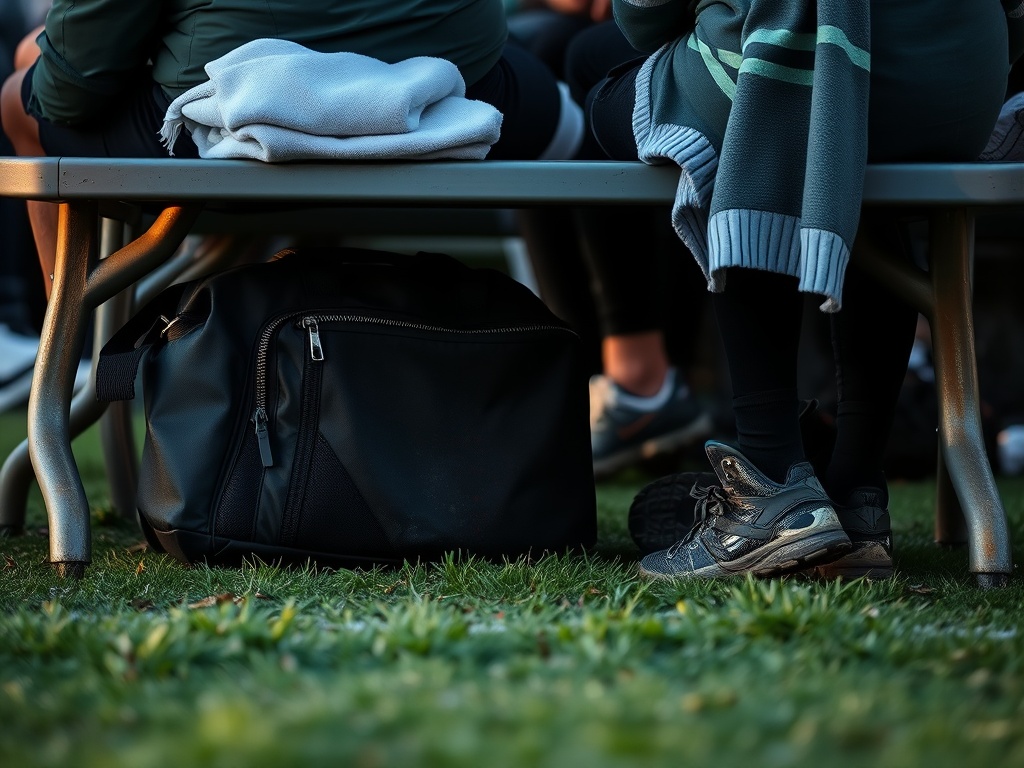
Pack for the Venue, Not Just the Sport
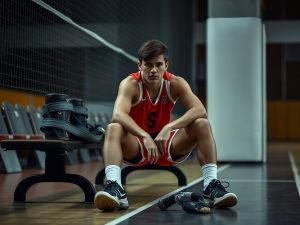
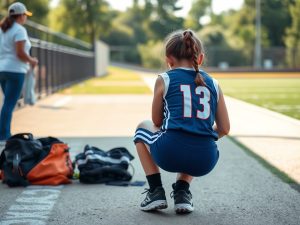
Outdoor fields need sunscreen, hat, towel, and a bag for wet clothes. Indoor gyms need court shoes, layers for sitting, and sometimes a small lock. Tournament days need chargers, a larger water supply, extra snacks, and patience for schedule changes.
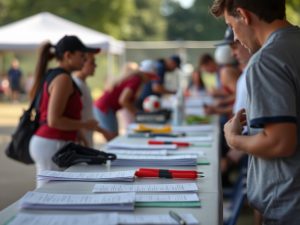
Parents and coaches should pack copies or digital access to schedules, emergency contacts, and venue rules, but printed text should stay organized and private. Avoid stuffing paperwork into the same pocket as wet gear.
For tournaments, bag planning connects directly to participant experience. Organizers can reduce stress by sharing packing expectations, a point covered in building a better rec league or tournament experience.
Budget and Upgrade Timing
Beginners should not buy the most expensive bag first. Start with a sturdy backpack or duffel that separates clean items from wet or dirty items. Upgrade only when you know the pain point: too little space, poor ventilation, weak zippers, or no separate shoe compartment.
Replace safety items before they fail. Mouthguards, helmets, pads, and braces should fit correctly and follow sport rules. Comfort upgrades can wait; protective gear should not.
A monthly reset helps. Empty the bag, wash what needs washing, restock consumables, and remove old food. A clean bag also makes it easier to notice when something important is missing.
Leave With Less Stress
Create a printed or phone-based checklist and use it the same way every time: night before, morning of, and before leaving the venue. The routine is more reliable than memory.
A well-packed bag will not win the game by itself, but it gives athletes a calmer start. That calm can make warm-ups, coaching cues, and early decisions feel easier.
Separate Must-Haves From Nice-to-Haves
Must-haves are items required for safety, participation, or basic comfort. Nice-to-haves are items that make the day easier but are not essential. This distinction keeps bags lighter and prevents beginners from overspending.
A mouthguard, required footwear, water, and medication are must-haves when the sport or athlete requires them. A massage tool, premium headphones, extra recovery sandals, or multiple outfit choices may be useful, but they should not crowd out essentials.
For youth athletes, parents can create a shared checklist and gradually let the athlete take ownership. Learning to pack is part of learning to compete responsibly.
Tournament-Day Additions
Tournament days are different from single games because downtime is longer and schedule changes are more likely. Add extra socks, a larger snack plan, a portable charger, a weather layer, and a separate bag for wet or dirty items.
Bring only what you can supervise. Expensive electronics, jewelry, and unnecessary valuables create stress. If the venue is crowded, label personal items discreetly without making private information visible.
After the event, restock immediately. The worst time to rebuild a bag is five minutes before leaving for the next game.
Maintenance After the Final Whistle
A game-day bag works only if it is maintained after use. Wet clothes should come out immediately, bottles should be washed, and protective gear should dry before it is zipped away. Odor is not just unpleasant; it can hide the fact that gear is breaking down or not being cleaned well.
Create three zones at home: wash, restock, and ready. Wash includes clothes, towels, and bottles. Restock includes snacks, tape, bandages, sunscreen, and other consumables. Ready includes packed sport-specific gear that should not be borrowed for daily use.
For growing athletes, check fit monthly. Shoes, pads, gloves, and braces that fit at the start of a season may become uncomfortable later. Poor fit can distract the athlete and may reduce protection.
Finally, use the same checklist even for low-pressure games. The habit matters most when the schedule becomes busy, the weather changes, or the athlete is nervous.
Coach and Parent Bag Differences
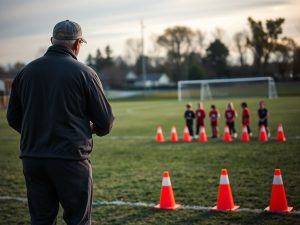
A coach's bag should include items that support the group: roster access, emergency contacts, cones, whistle if appropriate, spare pinnies, a pump, and simple first-aid supplies allowed by the league. A parent bag should focus on the athlete's personal needs and comfort.
Do not let one bag become responsible for everyone unless that role is planned. Shared items disappear quickly at tournaments. Clear ownership keeps the sideline calmer and prevents the same family from rescuing every forgotten item.
The One-Minute Departure Check
Before leaving for the venue, pause for one minute and check the five items most likely to ruin the day if forgotten: footwear, required uniform, water, protective gear, and any personal medication. This final check is simple, but it catches the mistakes that happen when families rush.