Layering plants around a patio creates better privacy when you combine different heights, depths, and seasonal traits instead of planting one tight row of identical shrubs. Start by identifying the exact sightlines you want to block, then place taller structure behind medium shrubs and lower plants so the screen looks intentional and remains functional as plants mature.
Privacy Planting in Brief
- Block views where they occur, not every inch of the property line.
- Use staggered layers rather than a single monoculture wall when space allows.
- Choose mature plant size for the available bed depth and overhead clearance.
- Mix evergreen structure with deciduous, flowering, or grassy layers for a more natural result.
Plan the View Before You Choose the Plants
Sit in the patio chairs you use most and note where neighboring windows, sidewalks, driveways, or service areas enter your view. Privacy may be needed only in two or three narrow sightlines. Mark those zones from seated eye level and standing eye level. This often reduces the amount of planting required and leaves desirable views open.
Also map sun, shade, drainage, utilities, doors, grill clearance, roof runoff, and the mature width available. A plant that fits the privacy height but eventually consumes the walkway is not a good fit. Check local utility-marking procedures before digging and maintain required access to meters, cleanouts, electrical equipment, and property features.
Why Layering Usually Works Better Than One Row
A single row of identical evergreens can create an immediate visual barrier, but it also concentrates risk. If one plant fails, the gap is obvious; if a pest or disease favors that species, multiple plants may be affected. A mixed design can spread that risk and produce a softer edge.
Clemson Extension’s guidance on mixed screens describes layered, staggered, and grouped plantings as alternatives to a single-species screen. It also notes that mixed screens can provide privacy while increasing landscape diversity. That is a general design approach, not a rule that every patio needs many species. Small spaces may require a simpler palette.
Build the Privacy Screen in Three Layers
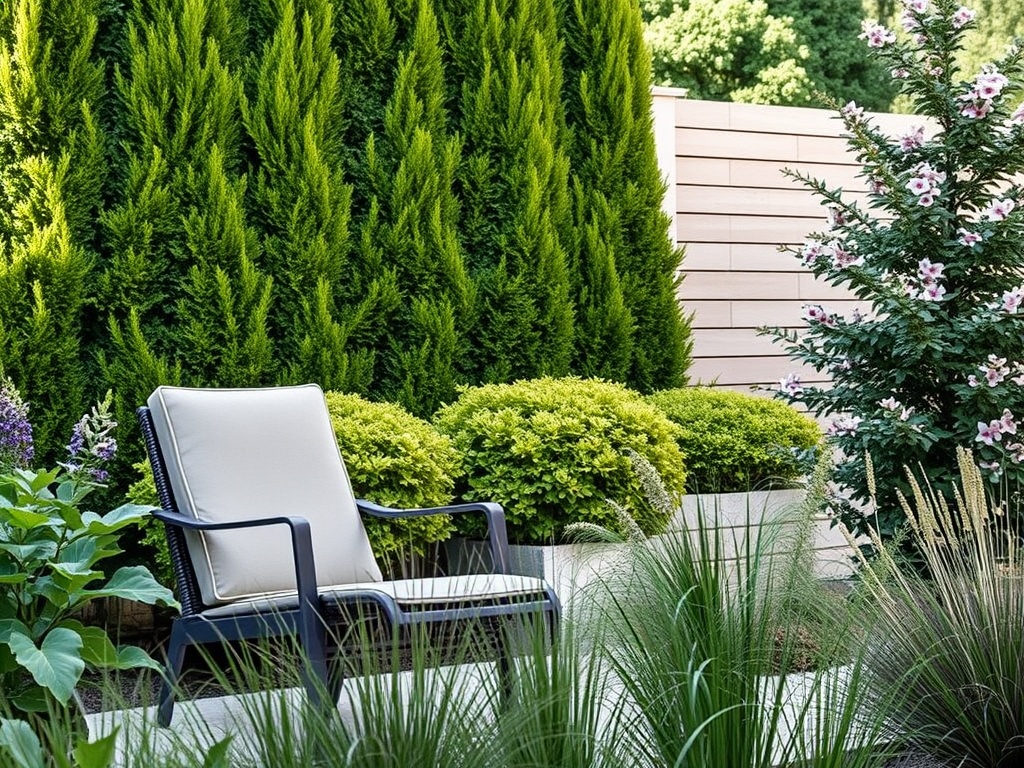
Back layer: the structural screen
The tallest layer does most of the view blocking. Depending on climate and space, this may be a small tree, upright evergreen, tall shrub, or a combination. Choose plants that fit the mature height and width you actually need. Avoid planting fast-growing species solely for speed; rapid growth can come with pruning, crowding, weak structure, or long-term size problems.
Middle layer: the visual softener
Medium shrubs break up the vertical wall and fill gaps at seated eye level. Flowering shrubs, broadleaf evergreens, or regionally suitable natives can add seasonal change without sacrificing function. For example, Penn State describes bayberry as useful for informal hedges and privacy screens in appropriate regions and conditions. Use such examples to understand plant roles, then choose locally suitable species rather than copying a plant list across climates.
Front layer: the transition
Low shrubs, grasses, sedges, perennials, and groundcovers connect the screen to the patio edge. They keep the composition from looking like a hedge abruptly planted behind paving. This layer can also carry fragrance, flowers, or fine texture, but keep thorny plants, bee-heavy bloom zones, and floppy foliage away from narrow walking paths or seating where they would create conflicts.
Step-by-Step Planting Process
1. Measure the bed and mark the privacy sightlines from the patio.
2. Choose the back-layer plants by mature dimensions, site conditions, and local suitability.
3. Place containers or stakes on the ground to test spacing before digging.
4. Add the middle layer in staggered groups that cover gaps without crowding the structural plants.
5. Fill the front edge with lower plants that tolerate the patio’s reflected heat, shade, or drainage conditions.
6. Plant at the correct depth, water thoroughly, and mulch appropriately without piling mulch against trunks or stems.
7. Monitor the first seasons for watering needs and adjust pruning only after plants establish.
Evergreen Privacy vs Seasonal Privacy
If you need screening twelve months a year, make sure at least part of the back layer remains evergreen or retains dense winter structure. If the patio is used mainly from spring through fall, deciduous shrubs, tall grasses, or flowering plants may provide enough seasonal privacy with more color and movement. You can combine the two approaches by using evergreen anchors at critical sightlines and deciduous plants elsewhere.
For ideas on bark, stems, berries, grasses, and evergreen structure beyond the patio, see best plants for four-season interest in the yard. The key is to select these features for your local site rather than assuming a decorative trait overrides hardiness or soil needs.
How Much Space Should You Leave?
Use the mature spread listed by reliable horticultural sources as the starting point. Plants installed shoulder-to-shoulder for instant privacy may compete heavily later and require constant pruning. Staggering can create visual coverage with more breathing room. Remember that patio furniture, gates, hose routes, grill use, snow storage, and maintenance access need space too.
Watering and Establishment
New shrubs and trees need consistent establishment watering based on weather, soil, and species. Do not assume a large root ball is wet because the surrounding soil looks dark. Check moisture in and near the root zone. As roots expand, transition toward deeper, less frequent watering appropriate to the plant. Avoid keeping poorly drained soil continuously saturated.
Common Privacy-Planting Mistakes
- Choosing only by current nursery size instead of mature dimensions.
- Planting a straight monoculture row where a failure would create a conspicuous hole.
- Ignoring winter views when year-round privacy is required.
- Blocking air movement or crowding the patio with plants that grow much wider than expected.
- Using invasive species or plants poorly suited to the local climate.
- Placing thorny, messy, or highly fragrant plants where they interfere with seating and circulation.
- Planting over utilities or restricting access to service equipment.
Keep Maintenance Part of the Design
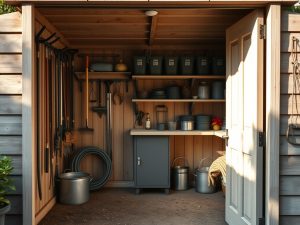
Privacy plants should be maintainable from your property without awkward ladder work or constant shearing. Leave room to prune, inspect, mulch, and water. Store pruners, hoses, and supports so they are accessible; the guide to organizing a small shed efficiently can help keep seasonal maintenance from turning into a search for tools.
Create Privacy Without Building a Green Wall
A layered screen is most successful when it solves specific views while still feeling like a garden. Use the tallest plants only where height is necessary, repeat a few species for cohesion, and let lower layers connect the planting to the patio. Over time, the goal is a comfortable enclosure with depth rather than a dense barrier that overwhelms the space.
This article is general educational guidance. Plant hardiness, invasiveness, mature size, utility setbacks, property rules, and irrigation requirements vary by region. Verify plant choices with local extension resources or qualified landscape professionals and follow local digging, utility, and code requirements.
Next step: sit on the patio, mark the three most intrusive sightlines, and design one layered planting group for each before buying plants.