Blossom end rot is a physiological disorder that creates a sunken tan, brown, or black patch at the blossom end of tomatoes and can also affect peppers, eggplants, squash, and some other fruiting crops. The damaged fruit is calcium-deficient, but the underlying problem is often irregular water movement or root stress rather than a simple shortage of calcium in the soil.
What to Remember
- Blossom end rot is not a contagious plant disease.
- Consistent soil moisture is one of the most useful prevention measures.
- Do not add calcium blindly; soil may already contain enough.
- Affected fruit will not repair itself, so focus on the next fruit set.
What Blossom End Rot Looks Like
The first sign is usually a pale or water-soaked area on the end of the fruit opposite the stem. The spot enlarges, becomes sunken, and turns tan to dark brown or black. Secondary fungi or bacteria may colonize the damaged tissue later, which can make the fruit look infected. The original disorder itself, however, is physiological rather than a pathogen spreading from fruit to fruit.
The University of Minnesota Extension tomato-disorders guide describes blossom end rot as a calcium deficiency in developing fruit that can occur even when the soil contains adequate calcium. That distinction matters because it changes the fix: adding more calcium is not automatically the first or best response.
Why Calcium Can Be Present but Not Reach the Fruit
Calcium moves through the plant with water. When roots cannot take up water consistently, or when plant growth is unusually rapid, calcium distribution to developing fruit can be disrupted. Soil that swings from very dry to very wet, damaged roots, excessive nitrogen, salt stress, very hot conditions, and poor root-zone conditions can all contribute.
Penn State Extension also links blossom end rot with calcium supply and wide fluctuations in available moisture. These sources do not mean every case has one identical cause. They support a broader conclusion: stable root-zone conditions make calcium transport more reliable than repeated stress and recovery cycles.
The Most Common Misconception: “Just Add Calcium”
Calcium sprays, crushed eggshells, lime, or other amendments are often recommended as quick cures. The problem is that they may not address the actual limiting factor. If a soil test shows adequate calcium and appropriate pH, adding more may be unnecessary. Lime can also raise soil pH, so applying it without testing can create a new nutrient-availability problem.
A soil test is the best way to decide whether a nutrient amendment is justified. If calcium is genuinely low or pH management calls for lime, follow the test recommendation. If calcium is adequate, concentrate on watering consistency, mulching, root protection, and balanced fertility.
How to Prevent Blossom End Rot Step by Step
1. Keep soil moisture more consistent
Water deeply enough to wet the active root zone, then water again based on soil moisture rather than a rigid daily habit. Containers and sandy soils may dry quickly; heavy soils can remain wet longer. The goal is not constantly saturated soil. It is to avoid repeated severe drying followed by heavy soaking.
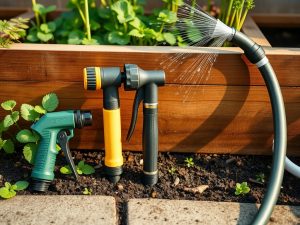
A hose nozzle or wand can help you place water gently at the soil line. The comparison of hose nozzles and watering wands explains how lower-pressure, targeted flow can reduce soil disturbance. Drip irrigation or soaker systems can also improve consistency when correctly designed and monitored.
2. Mulch the root zone
Organic mulch can reduce surface evaporation and moderate moisture swings. Apply it after the soil has warmed appropriately for the crop and keep it from being piled tightly against the main stem. Mulch does not replace watering, but it can make moisture conditions less volatile between irrigation events.
3. Protect roots from damage
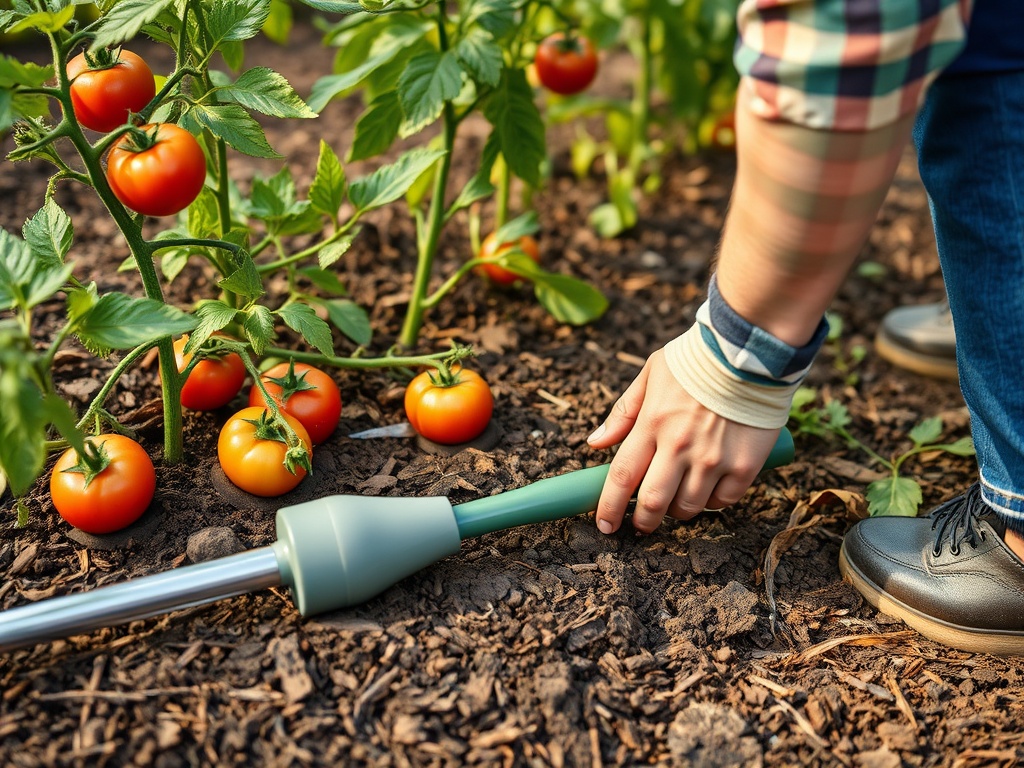
Aggressive hoeing, deep cultivation, transplant injury, or construction near the bed can reduce the fine roots responsible for water and nutrient uptake. Weed shallowly around established plants and avoid disturbing the immediate root zone. In containers, avoid repeatedly letting the potting mix shrink away from the sides of the pot before soaking it again.
4. Avoid excessive nitrogen
Heavy nitrogen can push rapid leafy growth. Fast growth increases demand for water and nutrients and may worsen blossom end rot under stressful conditions. Fertilize according to soil-test or crop guidance instead of trying to “feed” the disorder away. More fertilizer is not the same as better nutrition.
5. Use appropriate soil pH and drainage
Roots need both moisture and oxygen. Waterlogged soil can impair root function, while extremely dry soil interrupts uptake. Correct drainage problems, avoid compacting the bed, and use a soil test to evaluate pH and nutrient levels. Raised beds and containers should drain freely but still hold enough moisture for stable growth.
What to Do When You Already See Damaged Fruit
1. Remove badly affected fruit so the plant can direct resources to new growth.
2. Check soil moisture below the surface and correct an obvious dry-wet cycle.
3. Review recent fertilizer use and stop making untested nutrient additions.
4. Inspect for root damage, compacted soil, blocked irrigation emitters, or containers that dry too quickly.
5. Keep notes on varieties that repeatedly suffer severe problems under the same conditions.
Why Compost Is Helpful but Not a Direct Cure
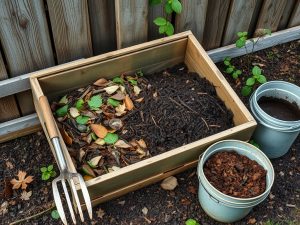
Mature compost can improve soil structure and water-holding behavior, which may support more stable root-zone conditions. It does not directly “cure” affected fruit, and unfinished or poorly managed compost can create its own issues. For practical compost management, see the biggest composting mistakes homeowners make. Use compost as part of good soil management rather than as a treatment claim.
When to Look for a Different Problem
Not every dark tomato spot is blossom end rot. Fungal diseases, bacterial spots, sunscald, cracking, insect damage, and fruit rots can look different depending on stage. Blossom end rot is characteristically centered on the blossom end and begins as a physiological lesion. If symptoms appear elsewhere on the fruit, spread across leaves and stems, or do not match the usual pattern, use a university diagnostic guide or local extension service before treating.
Protect the Next Fruit Set
The most useful response to blossom end rot is steady cultural care: even moisture, healthy roots, appropriate fertility, and suitable drainage. The fruit that is already damaged will not become normal again, but later fruit can develop without the disorder if the plant’s growing conditions stabilize. This is why prevention is more practical than chasing a quick correction after symptoms appear.
This article is for educational purposes and does not replace diagnosis from a local extension professional, horticulturist, or plant-disease laboratory. Soil conditions, irrigation needs, fertilizer rules, and crop responses vary by region and growing system.
Next step: check moisture consistency and recent fertilizer use first, then use a soil test before adding calcium or lime.