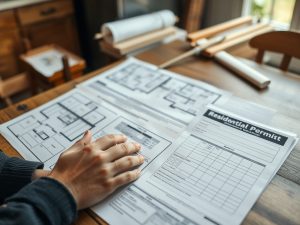
An energy audit leads to practical upgrades when it connects utility data, building conditions, occupant needs, maintenance history, and capital planning. The best audit does not only list savings ideas; it ranks actions by feasibility, disruption, risk, and operational value.
Key takeaway: A useful audit turns findings into a staged upgrade plan. Start with low-disruption improvements, verify performance, then use the data to plan larger capital projects.
What separates a useful audit from a generic report
A practical energy audit begins with utility bills, operating schedules, equipment lists, controls sequences, maintenance records, occupant complaints, and a site walk-through. The auditor should look for mismatches between how the building was designed, how it is operated, and how it is actually used.
The U.S. Department of Energy works on commercial building efficiency and cost-effective solutions for reducing energy use. DOE commercial buildings resource For owners, the practical takeaway is that efficiency projects should be tied to building performance, not only to one equipment replacement.
The report should distinguish quick operational fixes, maintenance corrections, and capital improvements. Mixing them together can make the plan look overwhelming.
Start with operating schedules and controls
Many useful recommendations come from controls and schedules: equipment running when spaces are empty, simultaneous heating and cooling, sensors out of calibration, manual overrides left in place, or ventilation settings that no longer match occupancy. These issues may be less glamorous than new equipment, but they can be practical starting points.
Any changes that affect ventilation or pressure should be coordinated with indoor environmental quality planning. A related topic is indoor air quality protection during occupied renovations, because comfort, filtration, and ventilation decisions should not be isolated from energy decisions.
Maintenance staff should be involved early. They know which valves stick, which units short-cycle, which areas generate complaints, and which systems are difficult to access.
Use benchmarking without treating it as the whole answer
Benchmarking can show whether a building appears to use more energy than similar properties, but it does not explain the cause by itself. ENERGY STAR provides tools and resources for commercial buildings that can help owners think about performance in context. ENERGY STAR commercial buildings
A building with unusual operating hours, process loads, data rooms, kitchens, or medical functions may not compare neatly with typical peer buildings. The audit should explain those conditions instead of forcing a one-size-fits-all conclusion.

Rank upgrades by feasibility and disruption
A strong audit ranks measures by more than possible energy reduction. Owners also need to know the likely disruption, maintenance burden, occupant impact, equipment lead times, controls integration, code implications, and whether work can be phased. The right first project may be the one that builds confidence and creates better operating data.
Practical upgrades often include control adjustments, lighting improvements, envelope repairs, equipment tune-ups, sensor calibration, economizer repairs, insulation fixes, motor or drive upgrades, and replacement planning for aging systems. The exact mix depends on the building.
Connect audit findings to capital planning
An audit can prevent reactive replacement by identifying equipment near the end of useful service and pairing replacement with efficiency improvements. This is where financial planning matters. Owners may use tools similar to construction cash flow forecasting to understand when upgrades can be funded without creating operational strain.
The audit should also define verification. After a change is made, the owner should compare energy data, comfort feedback, maintenance calls, and system trend logs. Without verification, the team may not know whether the upgrade worked as intended.
Energy audit action checklist
- Collect utility data, schedules, equipment lists, and maintenance history.
- Walk the building with maintenance staff and document recurring complaints.
- Separate no-cost operational fixes from maintenance repairs and capital projects.
- Rank measures by feasibility, disruption, risk, and owner priorities.
- Coordinate ventilation and comfort impacts before changing control sequences.
- Create a staged plan with verification after each improvement.
How to keep recommendations realistic
Energy audit recommendations should fit the building’s budget, staff capacity, occupancy needs, and capital plan. A technically strong idea may still be impractical if it requires shutdowns the owner cannot schedule, controls the maintenance team cannot support, or equipment that conflicts with near-term renovation plans.
Before ranking measures, the team should ask who will operate and maintain the change. A controls upgrade, for example, may fail to deliver value if staff are not trained or if sequences are overridden after complaints. A lighting project may disappoint occupants if glare, color quality, or controls are poorly coordinated.
Bundle related work when it reduces disruption. If ceiling areas will be opened for lighting, it may be sensible to inspect sensors, cabling, insulation, or air distribution at the same time. If equipment will be replaced, controls and commissioning should be part of the conversation rather than a later add-on.
Owners should also decide how success will be measured. Utility bills, interval data, trend logs, comfort complaints, work orders, and maintenance observations can all help verify results. The measurement plan should be chosen before work begins so the baseline is clear.
From audit report to upgrade sequence
Do not ignore maintenance basics while chasing larger upgrades. Dirty coils, failed dampers, leaking valves, disabled sensors, and poor scheduling can undermine performance before capital work begins. Fixing those issues first can also give the owner cleaner data for future investment decisions.
Turn the audit into a phased roadmap: immediate operational corrections, maintenance repairs, medium-term equipment improvements, and long-term capital replacements. That structure keeps the owner from treating every recommendation as equally urgent and helps the team make steady progress.
Turn audit findings into staged action
An energy audit is valuable when it helps an owner make better decisions, not when it produces a long list that sits unused. Focus on practical sequencing, verify each improvement, and use the results to guide the next round of building upgrades.
This article is for informational and educational purposes only. It is not professional engineering, legal, code-compliance, financial, safety, or project management advice. Requirements vary by project, site condition, contract, and jurisdiction; consult qualified professionals and the authority having jurisdiction before making construction or maintenance decisions.
•
•