
A better rec league or tournament experience comes from clear communication, fair formats, smooth schedules, and participant-first venue planning.
TL;DR: A better rec league or tournament experience comes from clear communication, fair formats, smooth schedules, and participant-first venue planning.
Start With the Participant Journey
A rec league or tournament is more than games on a schedule. Participants judge the experience from registration through the final message after the event. Confusing rules, late updates, bad parking, unclear brackets, and uneven officiating can damage the experience even when the games are fun.
Sports management platforms such as SportsEngine HQ show how much modern leagues rely on registration, scheduling, and communication systems. Smaller organizers do not need complex tools, but they do need the same discipline: one source of truth and timely updates.
Map the journey: registration, payment, roster confirmation, rules, arrival, warm-up, games, results, disputes, awards, and feedback. Each step needs an owner.
Design the Format Around the Promise
If the promise is casual fun, avoid formats where teams travel far for one short game. If the promise is competitive ranking, publish tiebreakers before play begins. If the promise is development, guarantee touches, balanced matchups, and respectful coaching behavior.
Round-robin formats usually feel fair because teams get multiple games. Single elimination creates drama but can disappoint teams knocked out early. Pool play into brackets works well when time and field space allow.
Participant comfort also depends on preparation. Sharing a game-day bag checklist before the event helps players pack for weather, hydration, and long gaps between games.
| Planning Area | Good Experience Standard | Common Failure |
|---|---|---|
| Schedule | Clear, realistic, updated early | Back-to-back games without rest |
| Rules | Simple and published before play | Disputes decided on the spot |
| Venue | Parking, restrooms, water, signage | Players waste energy finding basics |
| Communication | One reliable update channel | Multiple conflicting messages |
Venue Details People Remember
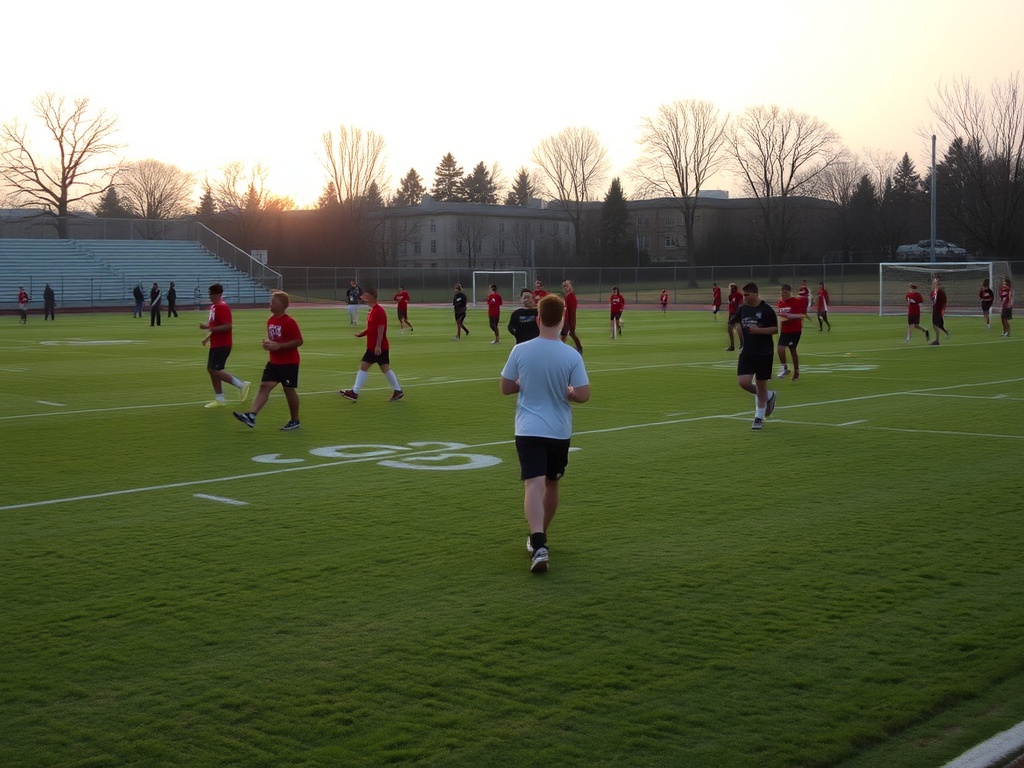
People remember shade, bathrooms, water, seating, warm-up space, and whether staff could answer basic questions. Those details are not glamorous, but they shape trust. A low-budget event can still feel organized if essentials are clear.
Build buffer time between games. Officials need transitions, teams need water, and fields need reset. A schedule with no margin usually fails after the first delay.
For larger programs, event quality connects to business sustainability. The article on launching a profitable training facility or sports studio covers why operations and customer experience cannot be separated.
Avoidable Mistakes
Do not hide important rules in a long document nobody reads. Put the top five rules in confirmation emails and coach messages. Do not change formats mid-event unless safety requires it. Do not let standings or tiebreakers become a mystery.
Avoid overpromising. If awards are simple, say so. If officials are volunteers, train and support them. If games may run late, communicate that risk. Participants are usually more patient with honest expectations than with surprises.
Collect feedback within 48 hours while details are fresh. Ask what confused them, what worked, and what would make them return.
Make the Next Event Easier
After the event, save the schedule template, rules, venue notes, supplier contacts, and top complaints. That creates an operations playbook instead of restarting from scratch.
A great rec league or tournament feels fair, clear, and welcoming. Build around that standard, and participants are more likely to come back with teammates.
Fairness and Trust Are Operational Choices
Participants may accept losing, but they rarely accept confusion. Publish rules, eligibility standards, protest processes, and tiebreakers before the first game. When disputes happen, apply the written process calmly and consistently.
Officials and volunteers need support, not just blame. Give them schedules, contact points, rest breaks, and authority boundaries. A tournament that treats staff poorly will eventually treat participants poorly too.
Trust also comes from visible responsiveness. If weather changes, field numbers move, or brackets update, tell everyone through the same channel and mark the update time clearly.
Small Comforts That Raise Return Rates
Shade, seating, water access, clean restrooms, warm-up space, and clear arrival instructions can make a modest event feel professional. These details are especially important for families, older recreational athletes, and teams traveling between venues.
Food options and rest windows matter when events last all day. If concessions are limited, say so before arrival. If teams have long gaps, provide a place to wait or guidance on nearby options.
A better experience is usually built from many small frictions removed before they become complaints.
Budget Planning for Organizers
A participant-first event still needs a realistic budget. List fixed costs such as venue rental, permits, insurance, officials, software, equipment, medical coverage, and cleaning. Then list variable costs such as shirts, awards, staff hours, and payment processing fees.
Do not set entry fees by guessing what sounds fair. Work backward from costs, expected teams, refund policy, and a small reserve for weather or schedule problems. Underpriced events often cut the very details that make people want to return.
Sponsorship can help, but it should not create clutter or slow operations. A local sponsor that funds water stations or youth scholarships may improve the experience more than a banner nobody notices.
After the event, compare budget assumptions with reality. That review helps the next event become both better and more financially stable.
Feedback That Leads to Better Events
Ask participants about the parts they can judge: registration clarity, schedule accuracy, venue comfort, officiating consistency, and communication. Avoid only asking whether they had fun, because fun often depends on whether they won.
Review feedback by pattern, not by one angry comment. If many teams mention the same issue, fix it before adding new features. Better basics usually beat flashy extras.
Make New Participants Feel Oriented
First-time participants need extra clarity. Send a beginner-friendly note explaining where to park, when to arrive, what to bring, how results are tracked, and who can answer questions. Orientation lowers anxiety before the first whistle.
Volunteer Roles Should Be Specific
Instead of asking for general help, assign narrow roles: score reporting, field setup, check-in, water station, bracket update, or cleanup. Specific roles reduce confusion and make volunteers more likely to return because they know exactly what success looks like.
Repeatable Templates Save Future Time
Save email templates, rules summaries, check-in layouts, and schedule formats after each event. The next tournament becomes easier when organizers improve a working system instead of rebuilding from memory.
End With a Clear Thank-You
A short thank-you message with results, photos policy, lost-and-found details, and the next event date leaves participants with confidence and closure.