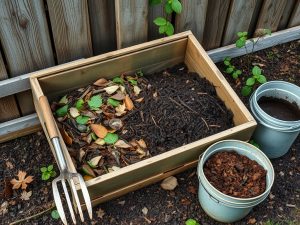
Winterizing a lawn is mostly about reducing stress before dormancy, not applying a single “winterizer” product. For cool-season lawns, the useful fall tasks are timed mowing, leaf management, irrigation when conditions are dry, appropriate fertilization when it fits local recommendations, and shutting down irrigation equipment before freezing weather can damage it.
Before the First Hard Freeze
- Keep mowing while grass is actively growing and avoid scalping it.
- Remove or mulch heavy leaf cover so turf is not smothered.
- Base fertilizer decisions on grass type, timing, soil conditions, and local guidance.
- Drain or winterize irrigation components that can freeze.
Start With Your Grass Type and Local Timing
“Before frost” is not one national date. Cool-season turf in northern climates grows actively in spring and fall, while warm-season grasses follow a different calendar. The University of Minnesota lawn care calendar shows how strongly maintenance timing depends on the turf growth cycle and local climate. Use your state or regional extension recommendations for exact timing, especially for fertilizer, herbicide, seeding, and irrigation shutdown.
If you do not know your grass type, identify it before making major fall changes. A lawn dominated by Kentucky bluegrass, perennial ryegrass, or fescues should not automatically be managed like bermudagrass or zoysiagrass. The safest general rule is to prepare healthy turf for dormancy rather than push lush late growth at the wrong time.
Tools and Materials Worth Having Ready
- A mower with a sharp blade and adjustable cutting height.
- A leaf rake, mulching mower, or collection setup for heavy leaf fall.
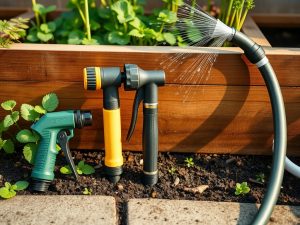
- A hose or irrigation system if the soil is dry and watering is still permitted.
- A soil-test result or local extension recommendation before applying nutrients.
- Basic hand tools for clearing sprinkler heads, edging, or small repairs.
- Appropriate protective equipment and the product label if using fertilizer or pesticide.
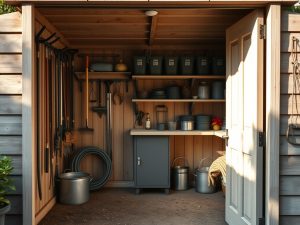
If your equipment is scattered or difficult to access, organizing it before the season ends makes spring startup easier. The same principle is covered in organizing a small garden shed efficiently, where frequently used tools, sharp equipment, chemicals, and seasonal gear are separated by function and risk.
Step-by-Step: Prepare the Lawn for Winter
1. Keep mowing while the grass is growing
Do not stop mowing simply because the calendar says fall. Continue as long as the turf is producing enough growth to need cutting. University of Minnesota mowing guidance recommends regular mowing with a sharp blade and avoiding removal of more than about one-third of the leaf tissue at a time. The exact final height varies by grass type and region, so avoid dramatic last-minute scalping.
2. Manage leaves before they form a wet mat
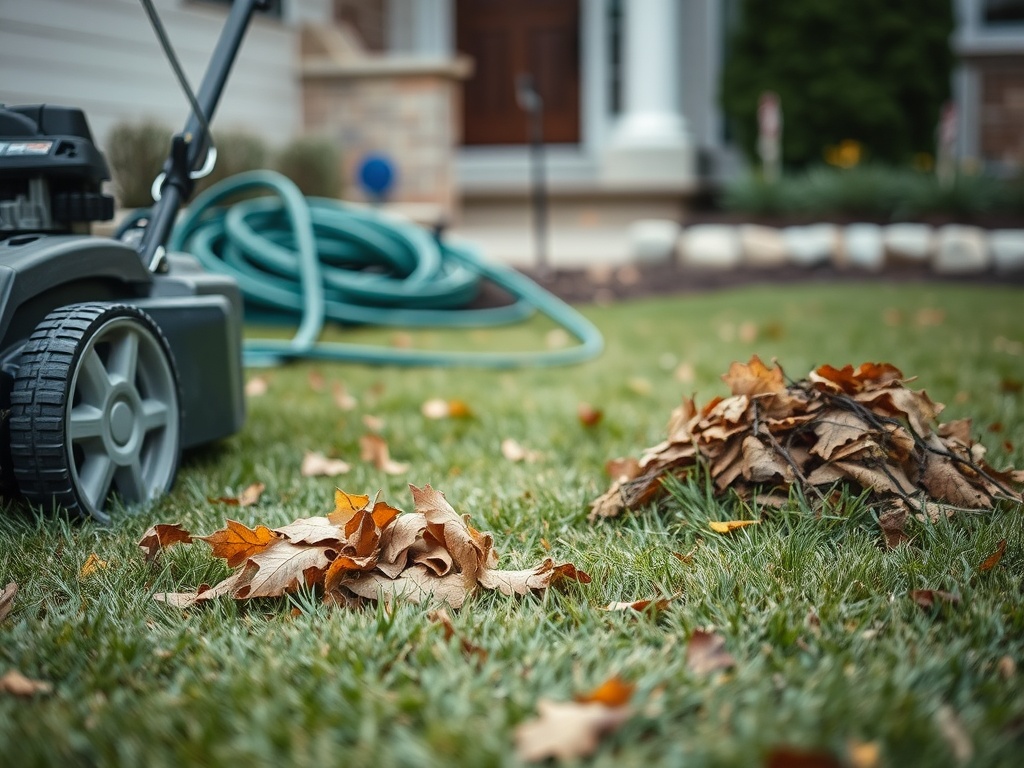
A light layer of shredded leaves can often be mulched into turf, but thick, wet leaf cover can block light and hold moisture against the grass. Mow leaves finely when practical or collect excess material for composting or other appropriate yard use. Work when the lawn surface is firm enough to avoid rutting or compacting saturated soil.
3. Water only if the lawn is dry and still active
Fall rain may provide enough moisture, but a prolonged dry period can leave turf stressed going into winter. Watering decisions should reflect soil moisture, local restrictions, grass type, and whether the ground is still able to absorb water. Avoid creating soggy conditions. Shut off watering as the grass stops active growth and freezing weather approaches.
4. Fertilize only when timing and need support it
Do not treat the word “winterizer” as a universal prescription. Fall nitrogen can be useful for some cool-season lawns when applied at the right stage, while poorly timed or excessive fertilizer can waste money and increase runoff risk. Soil testing helps determine whether nutrients such as phosphorus or potassium are actually needed. Follow local extension recommendations and the product label rather than relying on package marketing alone.
A recent University of Minnesota late-fall lawn care update notes that the value of potassium-heavy “winterizer” fertilizer can vary and that nitrogen is often the more relevant nutrient for cool-season turf. That guidance is region-specific, so homeowners in other climates should use their own extension schedule rather than copying Minnesota dates.
5. Address weeds carefully rather than blanket-treating
Some perennial broadleaf weeds can be more responsive to control in fall, but pesticide timing depends on the target weed, product, temperature, and local rules. Spot treatment may be more appropriate than applying herbicide across the entire yard. Always read the label, keep products off hard surfaces, and avoid applications when wind, rain, or temperatures make drift or runoff more likely.
6. Prepare irrigation equipment for freezing weather
If your system has above-ground components or buried lines that can retain water, follow the manufacturer’s winterization procedure. In freeze-prone areas, some systems require professional blowout service. Do not improvise with compressed air if you are unfamiliar with the system; excessive pressure can damage components or create an injury hazard.
What Not to Do Right Before Winter
- Do not scalp tall grass down in one pass.
- Do not fertilize simply because frost is forecast; the useful timing may already have passed.
- Do not aerate or dethatch saturated, frozen, or severely stressed turf.
- Do not leave thick piles of leaves sitting on the lawn for months.
- Do not leave hoses, timers, or vulnerable irrigation fittings full of water in freeze-prone areas.
Troubleshooting Common Fall Lawn Problems
If the lawn is thin, decide whether seeding is still within the recommended window for your region rather than scattering seed too late and hoping for the best. If the lawn is unusually brown, check soil moisture and turf dormancy before assuming fertilizer is the fix. If snow mold has been a recurring issue, avoid leaving excessively long, matted grass under persistent snow cover and use local disease guidance. If drainage is poor, winter preparation will not correct the underlying grading or soil problem; plan a separate drainage evaluation.
Set Up a Cleaner Spring Start
Good winter lawn preparation is deliberately modest. Finish the season with reasonably clean turf, appropriate height, adequate but not excessive moisture, and equipment protected from freezing. Nearby planting beds can continue carrying visual interest through winter; see four-season plants for the yard for ideas that do not depend on the lawn staying green.
This article is for general educational purposes. Lawn timing, fertilizer rules, pesticide use, irrigation requirements, and frost patterns vary by grass species, climate, state, and municipality. Follow product labels and local extension or licensed professional guidance when site-specific advice is needed.
Next step: check your local extension fall lawn calendar, then work through mowing, leaf management, moisture, nutrients, and irrigation shutdown in that order.