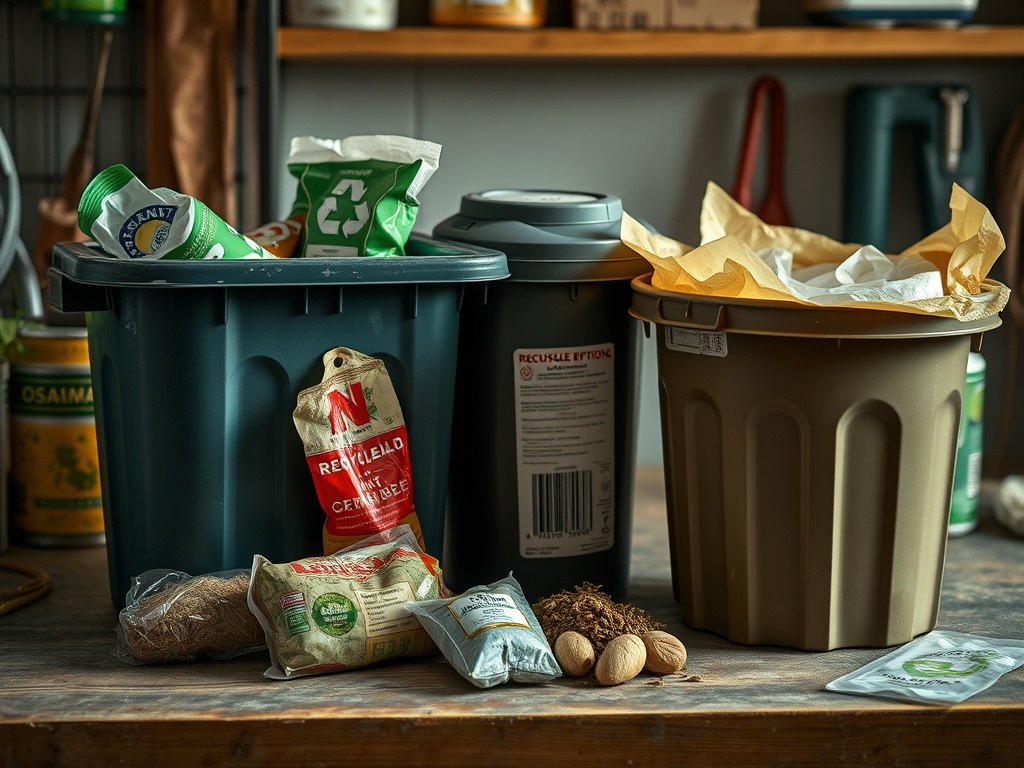
Compostable and recyclable garden packaging solve different waste problems. Recyclable packaging is designed to enter a recycling stream that accepts its material, while compostable packaging is designed to break down under specified composting conditions. Neither label guarantees a better environmental outcome if the package cannot enter the correct local collection or processing system.
Decision in One Minute
- Choose recyclable packaging when your local program accepts that specific material and it can be kept reasonably clean.
- Choose compostable packaging only when the item is certified or clearly qualified for the composting route you actually have access to.
- Do not put compostable plastic into conventional plastic recycling.
- Reduce and reuse packaging where practical before comparing end-of-life claims.
The Core Difference Is the Disposal System
A package can be technically recyclable yet still belong in the trash in a community that does not accept it. A package can also be compostable under commercial conditions but unsuitable for a backyard pile. This is why the disposal pathway matters more than the marketing word on the front. Garden products add another layer because packaging may contain soil, fertilizer dust, plant residue, moisture, or mixed materials that affect acceptance.
The Federal Trade Commission’s Green Guides summary explains that recyclable and compostable claims should be qualified when access to the appropriate facilities is limited. The guidance is about environmental marketing claims, not a universal disposal rule. Your city, county, hauler, or compost facility remains the source for what is actually accepted locally.
How Recyclable Garden Packaging Works
Common garden packaging may include paperboard boxes, molded plastic pots and trays, plastic film, metal containers, and multi-material pouches. Whether these are recyclable depends on resin type, shape, contamination, local sorting equipment, and end-market demand. A recycling symbol or resin identification code does not automatically mean curbside acceptance.
EPA guidance on recycling common materials emphasizes checking local program rules and specifically warns that compostable plastics should not be mixed with conventional plastic recycling because they can disrupt the recycling stream. For gardeners, that means a “plant-based” or “compostable” plastic pot should not be tossed into a plastics bin just because it resembles an ordinary nursery container.
How Compostable Garden Packaging Works
Compostable packaging is intended to become part of a composting process, but the required conditions vary. Some items are designed for industrial or commercial composting, where temperature, aeration, moisture, and processing time are controlled. Others may be marketed for home composting. Look for precise wording and recognized certification rather than assuming all compostable products behave the same way.
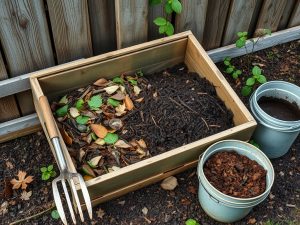
Backyard compost piles often do not maintain the same conditions as commercial systems. The EPA home composting guide even lists compostable foodservice ware and bags among materials to avoid in a typical backyard pile unless an appropriate system accepts them. If you already compost garden and kitchen material, the guide to common composting mistakes explains why unsuitable packaging can remain intact or complicate the pile.
Side-by-Side Comparison
| Question | Recyclable packaging | Compostable packaging |
|---|---|---|
| Best destination | Accepted recycling stream | Appropriate home or commercial composting stream |
| Local access matters | Yes | Yes, often critically |
| Contamination concern | Food, soil, chemicals, mixed materials | Non-compostable coatings, labels, plastics, or facility restrictions |
| Backyard suitability | Not applicable | Only if specifically suitable for home composting |
| Risk of wrong-bin disposal | Can contaminate recycling if not accepted | Can contaminate recycling and may fail to break down in landfill |
| Best homeowner check | Local recycling list plus package material | Compostability claim plus local compost-facility acceptance |
Where Garden Packaging Gets Complicated
Nursery pots and trays
Rigid plastic pots can sometimes be returned to nurseries or accepted through specialized collection even when curbside recycling excludes them. Soil and plant debris should be removed according to the receiving program’s instructions. Reuse is often practical for clean, intact pots, but disease concerns matter when containers are used for propagation or vegetable starts.
Seed packets and paperboard
Plain paper and paperboard are comparatively straightforward when clean and free of plastic windows, foil layers, or heavy coatings. A mixed-material packet may not be accepted with ordinary paper. Check before separating layers or assuming a “paper look” means the full package is recyclable.
Compostable bags and films
These can be especially confusing because they resemble conventional plastic film. If a commercial composting program accepts certified compostable bags, use that designated route. If not, placing them in recycling can create contamination. Backyard compostability should be stated clearly; do not infer it from the word biodegradable or from a green-colored package.
Fertilizer and pesticide containers
Residue changes the disposal question. Follow the product label and local hazardous-waste or container-management guidance. Do not reuse pesticide containers for household or garden storage. “Recyclable material” does not override safety directions for a container that held a regulated or hazardous product.
Cost and Performance Trade-Offs
For a homeowner, purchase price is only one part of the decision. Recyclable packaging may be inexpensive and durable, but its value depends on a functioning local recycling pathway. Compostable packaging may align well with a collection program that accepts it, yet can be a poor fit where only backyard composting is available. Moisture resistance, shelf life, puncture resistance, and barrier performance also affect how much packaging is needed and whether product waste increases.
Because life-cycle impacts vary by material, manufacturing, transport, product loss, and disposal route, broad claims such as “compostable is always greener” or “recyclable is always better” are too simplistic. A practical homeowner comparison should focus on the package in hand and the end-of-life system available locally.
A Five-Step Choice Framework
1. Ask whether you can avoid or reduce the package by buying bulk, refill, bare-root, or returnable options when suitable.
2. Identify the actual material and any compostability certification or disposal qualification on the package.
3. Check your local recycler or compost facility for acceptance of that exact category.
4. Keep streams separate: conventional recyclables go only where accepted, and compostable plastics stay out of conventional recycling.
5. When neither route is available, choose the option that meets product-protection needs with the least unnecessary material and dispose of it according to local rules.
Garden purchasing also involves the durability of the products inside the package. If you are building out a basic household tool set, the home maintenance kit guide focuses on buying versatile tools rather than accumulating rarely used items. The same “buy for the job and system you actually have” principle applies to packaging choices.
Make the Label Prove Its Usefulness
The best garden package is not defined by one environmental adjective. It is the package that protects the product with reasonable material use and has a realistic next destination in your community. Read the disposal language closely, verify local acceptance, and treat vague green imagery as marketing until the claim is specific enough to act on.
This article is for general educational purposes and does not constitute legal, regulatory, waste-management, or environmental-compliance advice. Recycling and composting rules differ by jurisdiction and facility, and product labels or local authorities may impose specific disposal requirements.
Next step: check your local recycling and composting acceptance lists before choosing between two packages that make different end-of-life claims.