The best hose nozzle or watering wand is the one that gives you controlled flow at the right reach without forcing you to water faster than the soil can absorb. Pistol-grip nozzles are compact and versatile, thumb-control nozzles reduce hand fatigue for longer sessions, and watering wands are easier for containers, hanging baskets, dense beds, and plants you want to water at soil level.
Best Fit by Job
- Choose a compact multi-pattern nozzle for mixed household tasks.
- Choose a thumb-control nozzle when comfort and one-handed flow adjustment matter.
- Choose a long watering wand for containers, deep beds, and low-angle root-zone watering.
- Prioritize a positive shutoff, repairable washers, comfortable grip, and sensible flow control over a long list of spray patterns.
Start With Watering Control, Not Spray-Pattern Count
A nozzle is useful because it lets you start, stop, and shape water close to the point of use. The key is matching the stream to the soil and plant. A hard jet can displace mulch or soil, while a very fine mist may not deliver enough water to the root zone. For most garden watering, a gentle shower or bubbler-like flow that soaks in without runoff is more useful than maximum pressure.
EPA WaterSense guidance recommends giving plants only the water they need and notes that slow, direct application at the root zone can reduce waste. Its current watering tips focus mainly on irrigation systems, but the same general principle applies to hand watering: control where water lands and stop when it begins running off rather than soaking in.
How the Main Nozzle Types Compare
| Type | Best for | Comfort | Control | Watch for |
|---|---|---|---|---|
| Pistol-grip multi-pattern nozzle | General yard and cleanup tasks | Moderate; trigger tension varies | Fast on/off, multiple patterns | Trigger fatigue, cheap springs, pattern dial wear |
| Thumb-control nozzle | Longer hand-watering sessions | High for many users | Easy one-handed flow adjustment | Bulkier body on some models |
| Dial nozzle with rear trigger | Users who want familiar operation | Moderate | Good pattern choice and shutoff | Trigger lock quality and leaks |
| Long watering wand | Containers, hanging baskets, deep borders | High when reach is useful | Excellent placement near soil line | Length can be awkward for small spaces |
| Short wand or bubbler wand | Raised beds and containers | High | Low-pressure targeted soaking | Less useful for cleanup jobs |
Pistol-Grip Nozzles: Best for General Utility
A traditional trigger nozzle is easy to grab for quick tasks. Multi-pattern versions usually move from shower to mist to jet, which makes one tool useful for beds, patio cleanup, and rinsing tools. The drawback is hand fatigue if the trigger requires continuous pressure. A locking clip can help, but it should be simple to disengage and should not encourage leaving a live hose unattended.
Choose this type if you need one nozzle for many short jobs. Look for a metal or robust composite body, a grip that is comfortable when wet, and replaceable hose washers. More spray settings are not automatically better; a clear shower, gentle soak, and controlled jet cover most household needs.
Thumb-Control Nozzles: Best for Longer Sessions
Thumb levers or slide controls let you set the flow without squeezing a trigger continuously. That can make a noticeable comfort difference when watering many containers or moving through several beds. They also make it easy to reduce flow as you move from a mature shrub to a small pot. The trade-off is that the valve mechanism is integrated into the body, so durability depends on build quality.
Watering Wands: Best for Reach and Root-Zone Placement
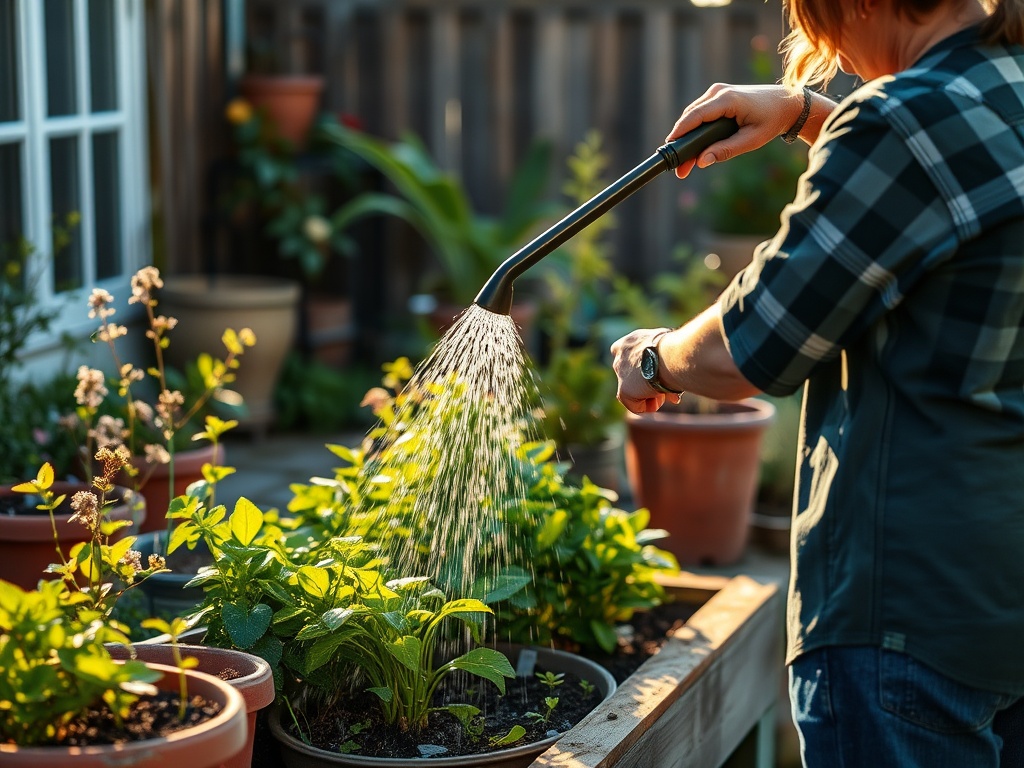
A watering wand extends your hand so you can reach behind foliage, under leaves, into hanging baskets, or across a deep border without stepping into the bed. A shower-style head can spread water gently over a container, while a lower-flow head can target the base of a plant. This makes wands especially useful when overhead watering would wet foliage unnecessarily or when a strong nozzle stream would disturb potting mix.
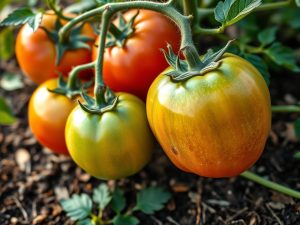
For vegetable beds, consistent soil moisture matters more than a fashionable nozzle. If you are managing crops prone to moisture-related disorders, such as tomatoes, read why blossom end rot develops and how to reduce it. A wand can make careful root-zone watering easier, but it cannot compensate for irregular watering frequency, poor drainage, or damaged roots.
Shutoff Design Matters More Than It Looks
A positive shutoff at the nozzle lets you stop water while moving between plants. Older EPA WaterSense consumer guidance specifically recommended controlling hose flow with an automatic shutoff nozzle. While that page is archived, the advice remains a sensible conservation practice: do not let a hose run freely while you reposition it. A shutoff also reduces muddy paths and accidental overwatering around containers.
Choose the Right Flow for the Soil
1. Start with a gentle shower or low-flow setting.
2. Water the soil near the root zone rather than blasting stems or exposed roots.
3. Pause if water puddles or runs away; let the first application soak in, then continue.
4. Check moisture below the surface instead of judging only by a darkened top layer.
5. Adjust frequency for weather, container size, soil texture, and plant maturity rather than watering every plant for the same number of seconds.
Materials and Durability: What Is Worth Paying For
Metal bodies can feel sturdy but may be heavier and can become uncomfortable in cold weather. Reinforced composite bodies are lighter and resist corrosion, although quality varies widely. Rubberized grips improve handling but may degrade after years of sun exposure. The most useful durability feature is often serviceability: a standard hose connection, replaceable washer, and valve that does not begin leaking after grit or hard-water deposits accumulate.
Common Watering Mistakes Even a Good Nozzle Cannot Fix
- Using a jet setting on bare soil and washing soil away from roots.
- Watering only the leaf surface while the root zone remains dry.
- Running water faster than compacted soil can absorb it.
- Using the same duration for a small pot and a mature shrub.
- Ignoring leaks at the hose washer or connection.
- Leaving the hose pressurized and unattended for long periods.
After garden work, keeping watering tools clean and stored out of harsh sun can extend useful life. Composters can also use gentle hose flow to correct a dry pile; see the guide to common composting mistakes for moisture troubleshooting. Before freezing weather, disconnect and protect hose fittings as part of the separate guide to winterizing a lawn before frost.
Pick for the Way You Actually Water
For most households, a well-built thumb-control nozzle is the easiest all-around choice if comfort matters, while a traditional pistol-grip model remains practical for short mixed tasks. Add a watering wand when you regularly manage hanging baskets, deep beds, or containers that are difficult to reach. The “best” choice is therefore a fit decision, not a universal product ranking.
This article is general educational guidance. Watering restrictions, drought rules, plumbing conditions, hose safety, and plant water needs vary by location and property. Follow local water rules and manufacturer instructions, and use professional irrigation advice for complex systems or persistent drainage problems.
Next step: choose the nozzle style that matches your longest recurring watering task, then test whether it can apply water gently without runoff or hand strain.