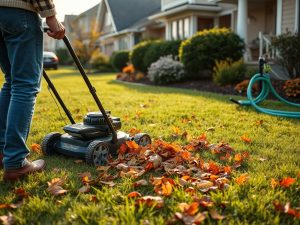
Most home-compost problems come from imbalance rather than a mysterious failure of decomposition. Too many wet “greens,” too few dry carbon-rich “browns,” poor airflow, inconsistent moisture, unsuitable materials, or unrealistic expectations can create odor, pests, slow breakdown, or a pile that never matures evenly.
Compost Reality Check
- Composting is an aerobic biological process, so air and moisture both matter.
- Food scraps should be balanced and covered with dry carbon-rich material.
- Not every item labeled compostable belongs in a backyard pile.
- A bad smell is usually a management clue, not proof that composting “doesn’t work.”
Mistake 1: Treating the Bin Like a Trash Can
A compost pile is not a place for every biodegradable-looking item. Backyard systems work best with suitable plant-based kitchen scraps and yard materials. Meat, bones, dairy, oils, pet waste, treated wood, diseased plants, and some compostable foodservice items can create safety, pest, or breakdown problems depending on the system. The EPA’s current home composting guidance provides a detailed list of common inputs and materials to avoid.
Quick fix: remove obvious problem materials when practical, then rebuild the active zone with chopped greens and a generous layer of dry leaves, shredded uncoated cardboard, or other approved browns. Prevention is simpler: keep a short “yes/no” list near the kitchen scrap container so household members are not guessing.
Mistake 2: Adding Too Many Greens and Too Few Browns
Kitchen scraps, fresh grass clippings, and other nitrogen-rich materials are moist and dense. A pile dominated by them can compact and turn low in oxygen. Dry leaves, small twigs, and shredded brown paper products add carbon and help create structure. EPA guidance for home piles recommends using substantially more browns by volume than greens, then covering food scraps with a layer of dry material.
Quick fix: if the pile smells sour, rotten, or ammonia-like, mix in dry browns and loosen compacted areas. If the pile is mostly dry leaves and seems inactive for a long time, add a modest amount of green material and moisture. Do not chase a perfect mathematical ratio every time you add a banana peel; aim for a pile that stays aerated, lightly moist, and varied in texture.
Mistake 3: Keeping the Pile Too Wet
Water is essential, but waterlogged material pushes air out of the spaces microbes need. Heavy rain, large amounts of wet food, poor drainage, or a sealed container can create anaerobic conditions and odor. EPA describes the target moisture as similar to a wrung-out sponge. That is a practical field check, not a laboratory requirement.
Quick fix: turn the pile, add dry bulky browns, and protect it from repeated soaking if local conditions demand it. Make sure water can drain away from the base. If a tumbler stays wet, pause food additions and add shredded dry carbon material until the mixture regains a loose structure.
Mistake 4: Letting the Pile Become Bone Dry
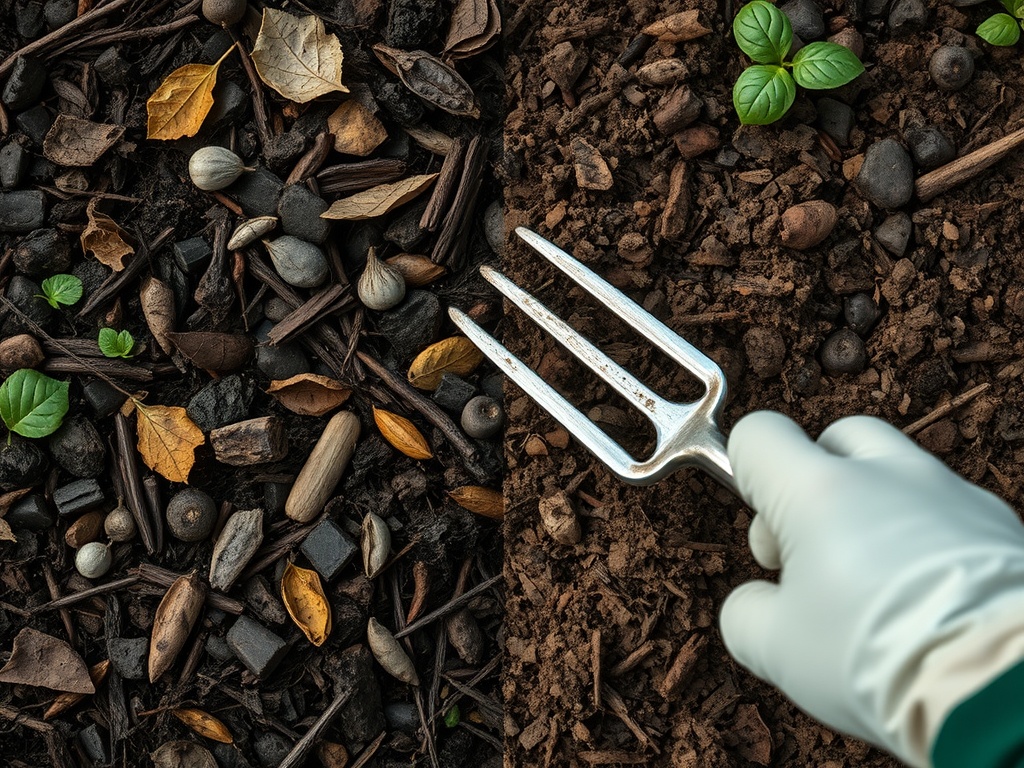
The opposite problem also slows decomposition. Dry materials can sit for months because microbial activity needs moisture. This often happens in hot climates, under roofed bins, or when a pile contains mostly dry leaves and woody material. Add water gradually while turning so moisture reaches the center rather than soaking only the outer layer. If the pile dries repeatedly, use a lid or cover that limits evaporation without sealing off airflow.
Mistake 5: Never Creating Air Space
Composting is aerobic. Turning is one way to add oxygen, but pile structure also matters. A mix of particle sizes helps preserve pores through which air can move. The EPA’s overview of composting approaches explains how particle size, moisture, and oxygen flow interact. Very fine, wet material can become dense; very large pieces can take much longer to break down.
Quick fix: loosen compacted layers with a fork and mix in coarse browns such as small twigs or wood chips where appropriate. You do not need to turn obsessively. More frequent turning generally speeds a pile, while a passive pile can still decompose more slowly if it remains balanced and aerated.
Mistake 6: Expecting Backyard Compost to Behave Like a Commercial Facility
Municipal and commercial composting systems can use controlled temperatures, equipment, feedstock management, and larger volumes that a backyard bin cannot reproduce. That distinction matters when packaging says “compostable.” Some items require industrial composting conditions and should not go into a typical home pile. Check the product qualification and your local facility’s accepted-material list rather than assuming compostable means backyard-compostable.
Mistake 7: Ignoring Size and Preparation
Large corn cobs, thick stalks, branches, and intact produce decompose more slowly because microbes have less exposed surface to work on. Chopping or shredding tough materials can speed the process. At the same time, grinding everything into a wet paste can reduce airflow. A useful compromise is a mix of smaller pieces plus enough coarse material to keep the pile open.
Mistake 8: Diagnosing Every Slow Pile as a Fertilizer Problem
A slow pile may simply be cold, dry, too small, woody, or low in nitrogen. Adding garden fertilizer is rarely the first troubleshooting step for a household pile. Check moisture, airflow, ingredient balance, and particle size first. Temperature naturally rises and falls as the most available material decomposes. A pile that no longer heats after turning may be approaching the curing stage rather than “dead.”
Mistake 9: Using Unfinished Compost Too Aggressively
Finished compost should look dark and crumbly, smell earthy, and no longer contain obvious food scraps. Material that is still actively decomposing can continue changing after application. Let finished material cure before using it broadly, especially around sensitive plantings. Screen out larger unfinished pieces and return them to the next batch rather than forcing the entire pile to finish at the same time.
Mistake 10: Blaming Compost for Unrelated Garden Problems
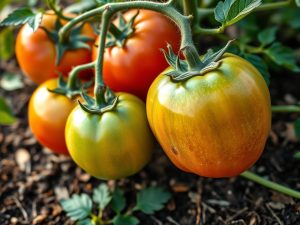
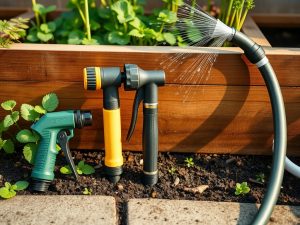
Compost can improve soil organic matter and water-holding behavior, but it does not correct every nutrient, disease, drainage, or irrigation problem. For example, blossom end rot is often driven by water and calcium transport issues within plants, not simply a lack of compost. Similarly, efficient watering depends on application method and timing; see the comparison of hose nozzles and watering wands for hand-watering choices.
Turn Problems Into Simple Adjustments
Use odor, moisture, texture, and visible ingredients as your diagnostic tools. A wet smelly pile needs air and browns. A dry inactive pile needs moisture and perhaps greens. Exposed food scraps need covering. A pile full of large woody pieces needs time or size reduction. Small corrections made early are more effective than repeatedly adding products in hopes of forcing a faster result.
This article provides general educational guidance. Compost rules, accepted materials, pest concerns, and waste programs vary by municipality and region. Follow local solid-waste guidance and product labels, and seek professional advice for hazardous materials, structural bins, or pest problems beyond normal backyard management.
Next step: inspect your pile for moisture, airflow, ingredient balance, and unsuitable materials, then change only the factor that is clearly out of range.