
A high-satiety diet makes a calorie deficit easier to tolerate by giving more of your food budget to meals that are filling, nutrient-dense, and satisfying. The most practical pattern usually combines protein, fiber-rich plants and whole grains, high-volume foods, and enough dietary fat for taste and nutrition while reducing calories that are easy to consume without much fullness.
TL;DR Build meals around a clear protein source, vegetables or fruit, a high-fiber carbohydrate, and a measured source of fat. Use low-calorie, high-volume foods to make portions feel substantial, plan for hunger-prone times of day, and keep the calorie deficit moderate enough that the diet is livable. Satiety helps adherence, but weight loss still requires average energy intake to be lower than energy expenditure over time.
Satiety is a tool, not a loophole in energy balance
“Eat filling foods and the weight will fall off” is an oversimplification. Foods differ in how they affect hunger, but no food cancels energy balance. The useful role of satiety is behavioral: if a meal keeps you satisfied for longer, it may reduce the effort required to maintain a lower average calorie intake.
CDC guidance is explicit that weight loss requires consuming fewer calories than the body uses. It also explains why fruits and vegetables can help: their water and fiber add volume, allowing people to substitute lower-calorie foods for higher-calorie ingredients while keeping the plate physically large. The CDC guidance on fruits, vegetables, and weight management is a practical example of this substitution approach.
Use four levers at most meals
1. Make protein visible on the plate
Protein-rich foods often increase meal satisfaction and support lean tissue during weight-loss phases, especially when combined with resistance training. Choose options that fit your preferences: eggs, fish, poultry, lean meat, dairy, tofu, tempeh, edamame, beans, lentils, or mixed plant-protein meals.
“High protein” does not have to mean extremely high protein. The goal is a consistent protein anchor that makes the meal more substantial and supports training. People with kidney disease or other conditions affecting protein needs should follow individualized clinical advice.
2. Add fiber-rich, high-volume foods
Vegetables, whole fruit, beans, lentils, and whole grains add bulk and can slow down the eating experience. CDC’s current healthy-eating guidance also highlights fiber-rich whole grains and notes that fiber can help people feel fuller longer. See the CDC healthy-eating tips for examples of adding beans, whole grains, fruit, nuts, and seeds.
3. Keep a carbohydrate source that supports your activity
Weight loss does not require eliminating carbohydrate. Oats, potatoes, rice, whole-grain bread, fruit, beans, and other carbohydrate foods can fit a calorie deficit. Choose portions based on activity level, appetite, and the rest of the meal. If you train hard, aggressive carbohydrate restriction can make sessions feel worse and may increase the temptation to rebound later.
4. Use fats deliberately rather than accidentally
Nuts, seeds, avocado, olive oil, cheese, and sauces can improve taste and nutrient intake, but they are energy-dense. The issue is not that fat is “bad”; it is that unmeasured pours and handfuls can add substantial calories without increasing food volume much. Use enough for satisfaction and cooking, then let produce, protein, and higher-volume carbohydrates create most of the plate.
A practical plate for high satiety
| Plate component | Examples | Why it helps |
|---|---|---|
| Protein anchor | Greek yogurt, eggs, fish, chicken, tofu, lentils | Adds structure and supports muscle retention |
| High-volume produce | Salad, roasted vegetables, soups, berries, melon | Adds water, fiber, and physical volume |
| Fiber-rich carbohydrate | Oats, beans, potatoes, whole grains, fruit | Supports fullness and training fuel |
| Flavor/fat | Olive oil, nuts, seeds, avocado, sauce | Improves satisfaction; portion intentionally |
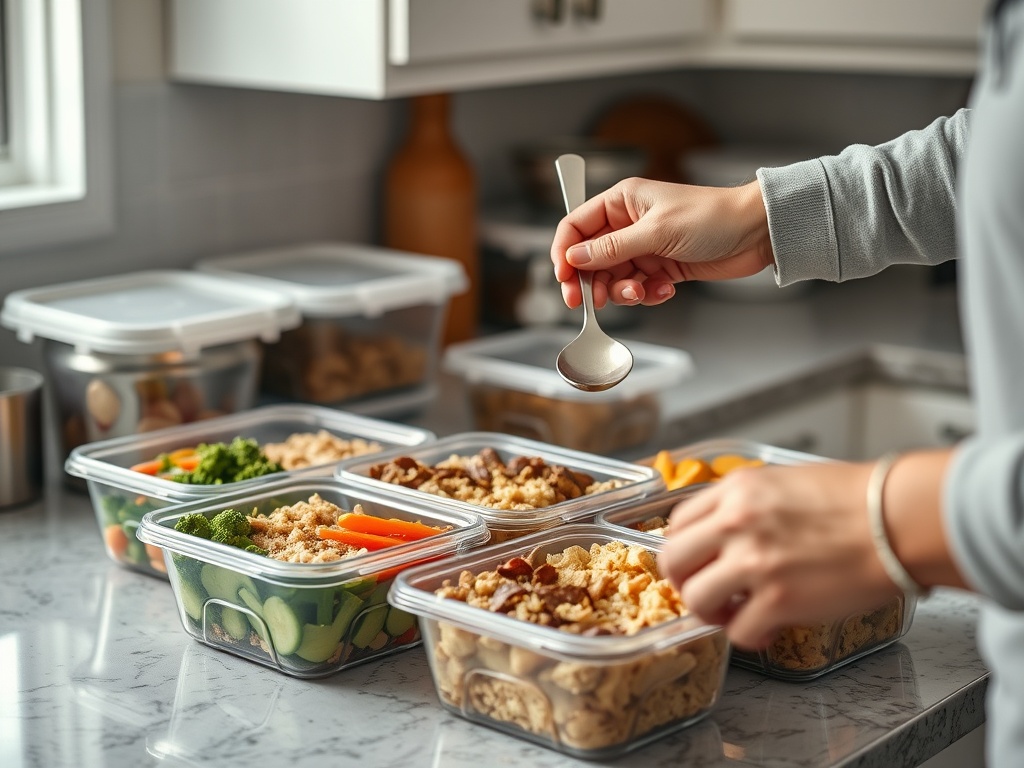
This framework is flexible enough for different cuisines. A lentil curry with vegetables and rice, a burrito bowl with beans and lean protein, an omelet with potatoes and fruit, or yogurt with oats, berries, and nuts can all use the same structure.
Engineer the meals where you usually overeat
Advanced dieting is often less about finding new foods and more about identifying the conditions that repeatedly break the plan. If late afternoon is your high-hunger period, a light lunch may be setting up the problem. If dinner portions grow when you arrive home ravenous, a protein-and-fruit snack in the afternoon may improve control more than adding stricter dinner rules.
Look for patterns in time, location, and food form. Liquid calories, alcohol, snack foods eaten directly from a package, and calorie-dense restaurant add-ons can be easy to consume quickly. They are not forbidden, but they often provide less fullness per calorie than a meal built around solid protein, produce, and fiber-rich starches.
Meal timing is individual. Some people prefer three larger meals; others do better with a planned snack. The satiety question is practical: which pattern keeps hunger predictable without causing constant grazing?
Protect training and recovery while losing weight
A calorie deficit is another stressor. If training volume is high, the combination of hard sessions, poor sleep, and aggressive restriction can make recovery worse. Avoid treating hunger, irritability, declining performance, or persistent fatigue as badges of discipline.
For endurance or strength training, make recovery meals purposeful instead of turning them into unplanned reward eating. Recovery foods for endurance and strength training gives a food-first framework for carbohydrate, protein, and fluids. If you are restarting activity after a layoff, a gradual cardio return can keep exercise from becoming so demanding that appetite and fatigue spike at the same time.
People who train frequently should also be aware that chronically low energy availability can affect health and performance. If weight loss is accompanied by persistent fatigue, recurrent injuries, menstrual changes, unusual cold intolerance, or a major decline in performance, discuss the pattern with an appropriate health professional rather than simply cutting calories further.
Use hunger data instead of moral judgments
Track hunger as information. Before meals, rate whether you are mildly hungry, very hungry, or eating mainly because food is available. After meals, note whether you are satisfied, uncomfortably full, or hungry again quickly. You do not need a precise numerical score; the point is to notice which meals make the deficit easier.
If breakfast leaves you hungry within an hour, add protein or fiber or make the portion more substantial. If a dinner is filling but calories are too high, keep the protein and vegetables while reducing oils, cheese, or a large starch portion slightly. If weekends repeatedly undo the weekly deficit, plan one or two enjoyable higher-calorie foods instead of turning the whole day into an unstructured exception.
This feedback loop is more useful than chasing a perfect macronutrient ratio. The best high-satiety diet is one that produces steady enough hunger, adequate nutrition, and a calorie intake you can maintain without constant compensation.
Make fullness work for your calorie target
Start by changing one meal you eat most days. Add a clear protein source, double or noticeably increase the produce, choose a fiber-rich carbohydrate, and measure the most calorie-dense extras. Eat that version for a week and see whether hunger later in the day improves.
Then repeat the process for your most difficult meal or snack window. Keep the deficit modest, preserve foods you genuinely enjoy, and adjust based on trends rather than one weigh-in or one hungry day. Satiety is most valuable when it reduces the number of decisions and negotiations required to stay consistent.