
Anti-scalping tools are changing ticket resale by combining law, platform rules, identity checks, bot defenses, transfer limits, verified resale, and clearer pricing. The goal is to reduce bulk buying and deceptive markups, but these tools also create new trade-offs around privacy, flexibility, and fan convenience.
Ticket-Market Readout: Better anti-scalping systems do not simply punish resellers. They reshape the whole ticket path, from waiting rooms and purchase limits to resale caps, mobile transfer rules, and fee transparency.
Why Resale Rules Are Becoming a Technology Problem
Ticket scalping used to sound like someone standing outside a venue with extra seats. Modern resale is more complex. High-demand events can attract automated buying tools, coordinated accounts, speculative listings, hidden fees, and professional sellers who exploit weak controls.
Governments and regulators have responded in different ways. In the United States, the FTC's page on the Better Online Ticket Sales Act explains how the law targets circumvention of security and access-control measures used by online ticket issuers. The FTC's junk ticket fee rule announcement also reflects the push for clearer live-event pricing.
In the United Kingdom, the Competition and Markets Authority has published a response on live event ticket resale that discusses resale price caps and targeted enforcement. The common theme is simple: fairer ticketing now depends on both rules and technical systems.
The Core Tools Behind Anti-Scalping
Ticketing platforms and event organizers use several layers of defense. No single tool solves the problem. Bots adapt, professional resellers change tactics, and fans still need reasonable transfer options.
Common tools include:
- Waiting rooms that slow purchase attempts and sort demand before sales open.
- Bot detection that flags automated behavior, repeated patterns, or suspicious accounts.
- Purchase limits that restrict the number of tickets one buyer can acquire.
- Verified fan or registration systems that screen demand before the sale.
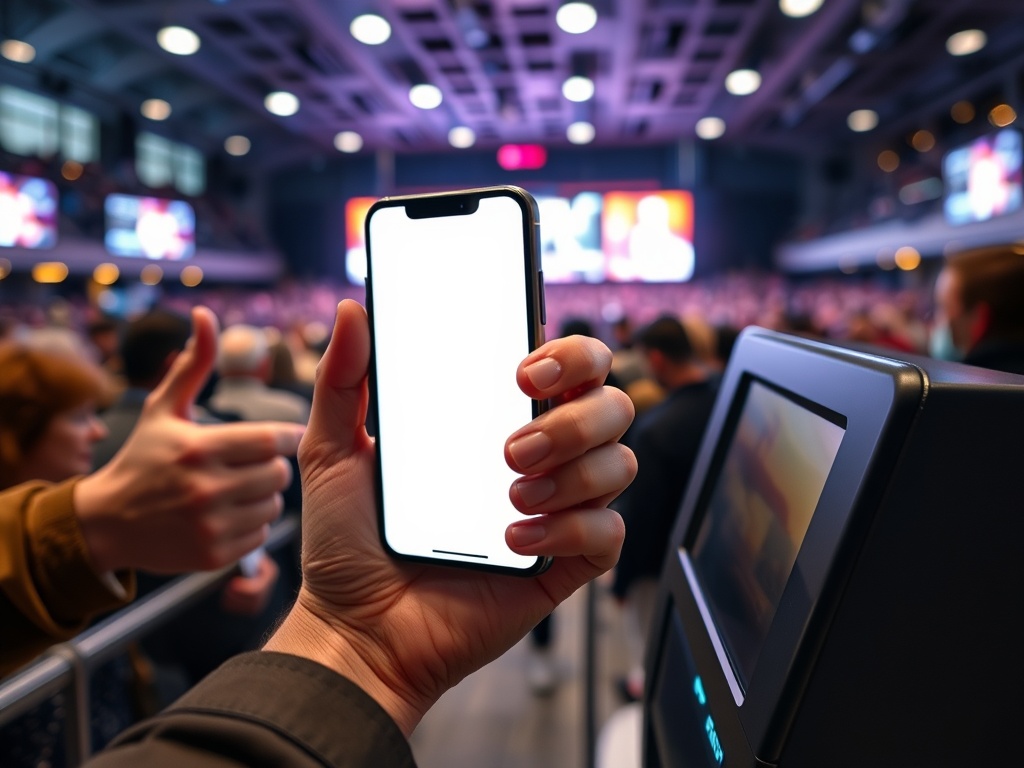
- Mobile tickets with rotating barcodes or controlled transfer windows.
- Official resale marketplaces that keep resale inside a monitored environment.
- All-in pricing displays that reduce last-minute fee surprises.
- Resale restrictions or caps tied to event rules or local law.
These tools are not only technical. They change incentives. If resale is harder, less profitable, or easier to monitor, the professional scalper has less room to operate.
How These Systems Change the Fan Experience
The fan experience can improve when anti-scalping works. Fans see clearer prices, face fewer fake listings, and have a better chance of buying through official channels. A verified resale system can also reduce the risk of invalid tickets because the platform controls transfer.
But friction increases. Fans may need to register earlier, use a specific app, keep a charged phone, avoid screenshots, or wait for a transfer window to open. A parent buying for a child, a friend coordinating a group, or a fan with limited internet access may find the process confusing.
This is the central trade-off. A completely open ticket is easy to transfer, but also easy to exploit. A tightly controlled ticket may reduce abuse, but it can make ordinary life messier. Good policy tries to distinguish between professional extraction and normal fan flexibility.
Tool Impact Across the Resale Chain
| Tool | Main Benefit | Possible Friction |
|---|---|---|
| Bot detection | Blocks automated bulk buying | False positives can frustrate real buyers |
| Purchase limits | Reduces large-scale accumulation | Groups may need multiple coordinated buyers |
| Verified registration | Filters demand before sale day | Fans must plan earlier |
| Mobile transfer controls | Reduces fake or duplicated tickets | Last-minute gifting can become harder |
| Official resale | Keeps tickets traceable | May limit price flexibility |
| All-in pricing | Makes fees clearer before checkout | Does not automatically lower base demand |
Readers following entertainment publicity should connect this to the trust issues behind exclusive access and embargo language. In both cases, transparency changes how audiences evaluate the marketplace.
Where Protection Can Create New Friction
Anti-scalping tools can become unpopular when fans feel treated like suspects. Long queues, unclear error messages, locked transfers, and changing rules make people angry, especially after years of high prices. A fair system has to explain the rules before the sale begins.
Privacy is another concern. Identity checks, device signals, account histories, and payment data can help detect abuse, but they also raise questions about data minimization and retention. Fans should not have to surrender unnecessary information just to attend a concert.
Accessibility matters too. Mobile-only ticketing can be difficult for people with older phones, poor connectivity, visual impairments, low battery, or limited comfort with apps. Venues need backup processes that do not shame or strand fans at the gate.
How to Buy Smarter as Rules Change
Fans can protect themselves by reading the official event page before buying anywhere else. Look for rules about transferability, resale, entry requirements, refund policies, and fee display. If a resale listing appears before an official sale or lacks seat details, treat it with caution.
Avoid screenshots unless the organizer explicitly allows them. Many mobile tickets use changing codes. Buy through authorized channels when possible, especially for high-demand events. Keep the buying account, payment method, and app updated before sale day rather than during the queue.
Fans who create or cover entertainment products can compare this with community-driven launch planning. A creator who respects free audiences before selling paid products, as discussed in paid digital product launch strategy, is solving a similar trust problem at a smaller scale.
What Fairer Ticketing Still Needs
Technology can reduce some abuse, but it cannot fix every market pressure. If demand greatly exceeds supply, prices will still be emotionally charged. If primary prices are dynamic, fans may still feel priced out even without scalpers. If official resale fees are high, the protected marketplace may not feel fair.
Fairer ticketing needs clear rules, enforceable law, accessible design, transparent pricing, and honest communication from artists, venues, promoters, and platforms. The next step for fans is to treat ticket buying as a rules-based transaction, not a panic race. Read the terms early, favor official channels, and be skeptical of urgency that benefits the seller more than the audience.
Event teams also need clear customer support. A fair anti-scalping policy can still fail if fans cannot understand why a transfer is blocked, how to resell safely, or what to do when a phone is lost. The best systems pair controls with plain-language help before the highest-stress sale windows.